Fall colors came running in and quickly out of northern Illinois. Nice colors this year. Here are some yellows.
Morton Arboretum, Lisle, Illinois
Under the Maple tree
Yellow explosion I
Just be careful where you park.
Yellow explosion II
Fall colors came running in and quickly out of northern Illinois. Nice colors this year. Here are some yellows.

Morton Arboretum, Lisle, Illinois

Under the Maple tree

Yellow explosion I
Just be careful where you park.

Yellow explosion II
Transylvania County is the wettest in North Carolina and has over 250 waterfalls. Here’s what’s likely the best known. Looking Glass Falls is next to the main road running through Pisgah National Forest heading to the Blue Ridge Parkway and is a popular stopping point.

Looking Glass Falls, Pisgah National Forest, North Carolina
Looking downstream from the falls.
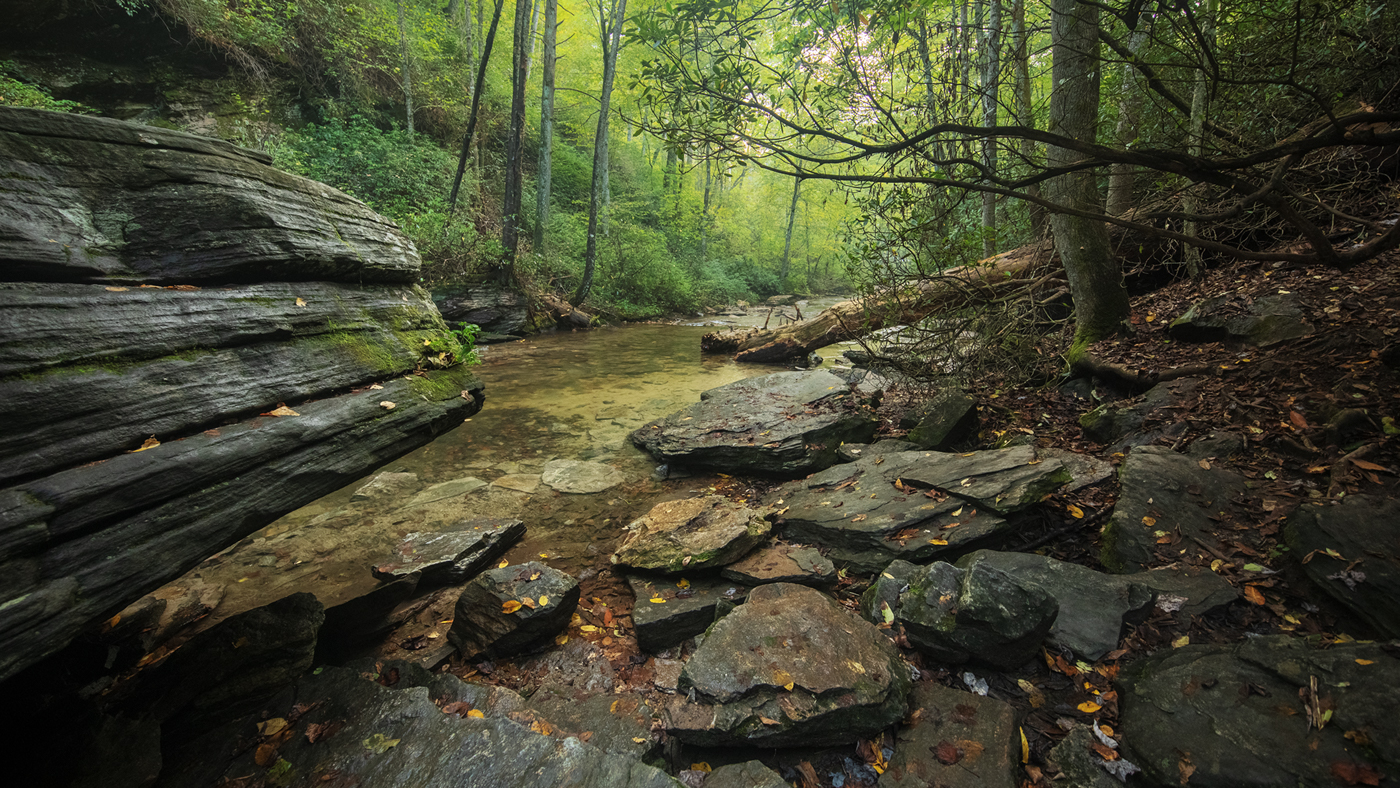
Looking Glass Creek, Pisgah National Forest
I went looking for another tall falls that 40 years ago I hiked to with my buddies and jumped off the top to swim in the pool below. I couldn’t find it, but I heard some falls along the trail and found this delight.

Chestnut Falls, Pisgah National Forest
The Eastern Band of the Cherokees Reservation sits between Transylvania County and Great Smoky Mountains National Park, and is also filled with waterfalls. Here are two—or three, if you count the first as a double falls.

Soco Falls, Cherokee Reservation, NC

Mingo Falls, Qualla Boundary, North Carolina
Birds need to eat, raise young, survive regardless of the weather. Fortunately, for a photographer, challenging weather can make engaging images. I love the challenge of wide angle environmental images, but to get an animal portrait, you need a tolerant creature. This Great Blue Heron, who hangs around people fishing on the beach, was cooperative.

Melbourne Beach storm clouds

Great Blue Heron dawn
Turkey Vultures have an image problem. Their life cleaning up dead animals adds to the creepy view. Featherless heads and legs to get into the carrion enhance the feel. A telephoto lens helps get a closer view.

Turkey Vulture, Canaveral National Seashore
Crossing the talons is a cute gesture, but note the missing middle toe and wonder what happened to this survivor.
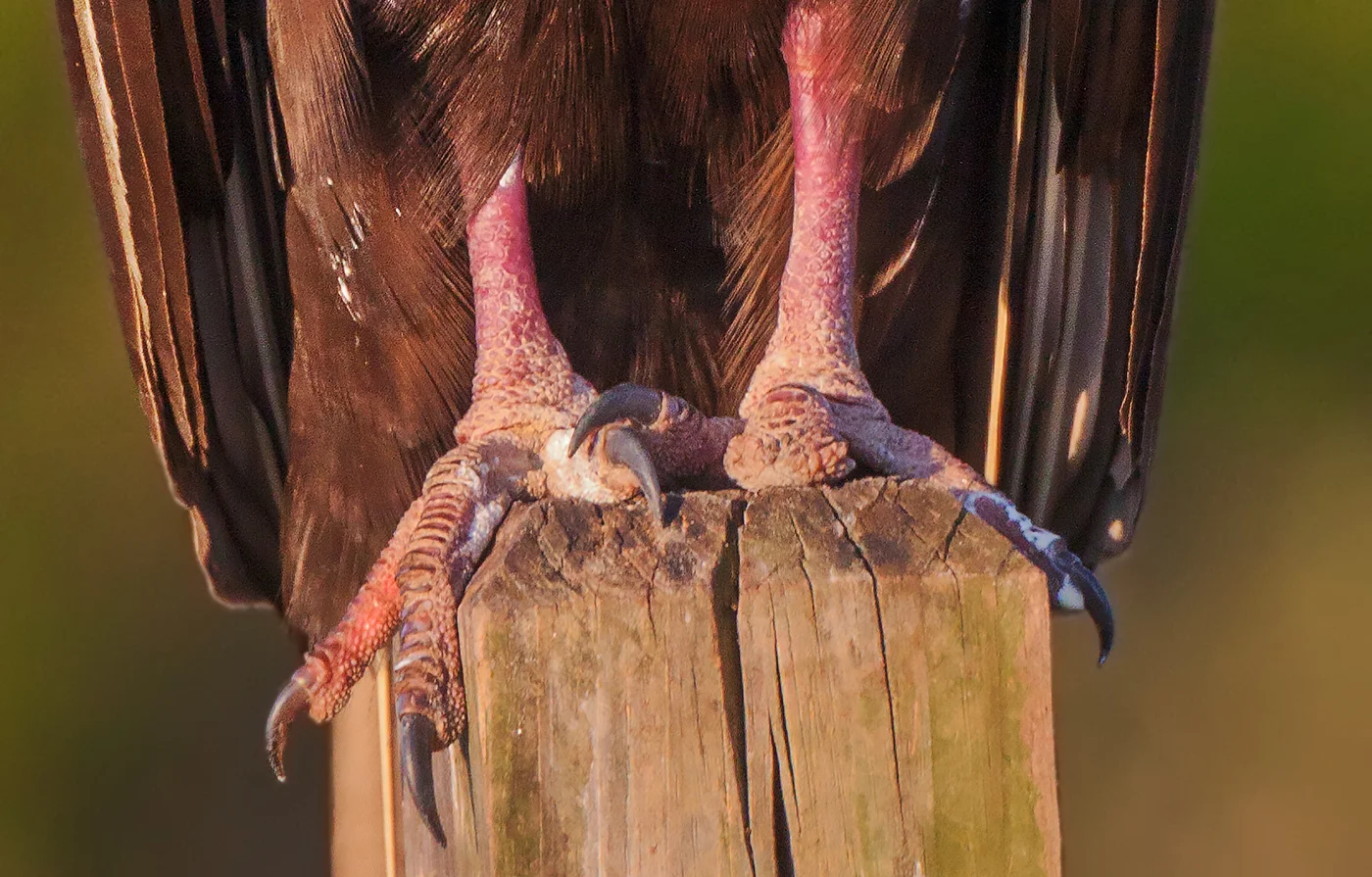
But vultures should have their day in the sun, or in this case, in a rainbow.

Somewhere under the rainbow
Congaree National Park in central South Carolina is the largest remnant of old growth floodplain forest in the U.S.. Less than one-half of one percent of what once was 35 million acres in the Southeast U.S. remains.
You can take all the tea in China
Put it in a big brown bag for me

Tupelo trees, Cedar Creek, Congaree National Park
Along with Tupelo, Bald Cypress grows throughout the floodplain. The knees are still a mystery. Perhaps support in flood conditions, perhaps an air exchange.
She's as sweet as Tupelo honey
She's an angel of the first degree

Bald Cypress knees
The Congaree was a shelter for freedom seeking slaves during the Civil War. After the war, many former slaved people farmed the floodplains and established towns in the uplands.
You can't stop us on the road to freedom
You can't keep us 'cause our eyes can see

Tupelo and Cypress
I’ve never gotten more aerobic exercise on a flat trail. Despite covering myself in insect repellent, whenever I’d stop walking, a cloud of mosquitoes would surround me, so moving fast was the best repellent. However, the fast pace had me miss seeing the 5 foot coachwhip snake, and we gave each other a good fright. My heart rate got another boost startling two feral hogs in underbrush. It was a memorable hike.

Boardwalk trail among the Tupelo
She's as sweet as Tupelo honey
Just like honey, baby, from the bee
Van Morrison

Bald Cypress, Congaree National Park, South Carolina
Until I returned, I’d forgotten I’d left a piece of my soul here.
A stop on the Blue Ridge Parkway looks down into an area called Graveyard Fields. A geologic event killed the trees leaving stumps and mounds and looking like a graveyard. Later, a devastating fire in the 1920s reinforced the look. While working at a nearby summer camp, I’d lead hikes into this area. We’d sometimes camp in the fields, watching shooting stars while sleeping under the open sky. Camping is now prohibited here, and trees and larger growth have replaced the open field. Time changes things.

Graveyard Fields trail, Pisgah National Forest, North Carolina
Part of the trail runs along the Yellowstone Prong of the Pigeon River. A college roommate lived nearby in North Carolina. He returned home for a long weekend while I was in law school, and I went along so I could hike again along the Pigeon River. Rain started just as I got the tent up. It rained all night. Before light, I heard strange sounds and looked out. The river was flooding and surrounding my tent! I hurriedly broke camp. Since most of the trail was flooded, I bushwhacked my way to the road where John would pick me up.
This was my first time back to the trail after that adventure.

Yellowstone Prong, Pigeon River
Water falls nearly everywhere you look, including these lower falls of the Yellowstone Prong in Graveyard Fields.

Second Falls, Graveyard Fields, North Carolina
An overlook on the Parkway provides a distant view of the falls.

Yellowstone Prong falls
Near where we camped in 1978, were several branches of the trail. I wasn’t sure which was the main trail. Following one led to these rocks on a bend in the river. I was suddenly taken back 40 years. I’d bring the young campers to this very spot to swim and play. I hadn’t thought of it in all that time, and the memory opened as I placed my feet on the spot.

Swimming hole, Yellowstone Prong, Pisgah National Forest

Memory catcher

The beginning
Junior High School Spring Break 1972, my parents took my friend Doug and me camping on the Blue Ridge Parkway. This is where the Parkway starts on the edge of Great Smoky Mountains National Park, North Carolina. It ends 469 miles later at Shenandoah National Park in Virginia running along the spine of the Blue Ridge Mountains without a stop sign or stop light.

Parkway pullover

smokey mountains
Pullovers and visitor centers dot the parkway with views into the valleys on each side.
The colors are just beginning to change.


Hearts and Minds
And peeks into the towns along the route.

A year ago today, I was wandering through Saguaro National Park in Arizona. The big vistas of huge cactus and desert hills is eye-catching, but looking at the tiny environments within the scene is just as fascinating.

Thorny pattern, Saguaro cactus

Plenty of insects survive among desert plants. I’ve no idea what this creature is.

I imagine it is a challenge for predators to get among the thorns to try to feed on this grasshopper, who seemed quite happy climbing around the cactus.

Among the thorns
I loved Rod Serling’s Twilight Zone. The Dali-inspired intro got you ready for travel to another time and dimension. So let’s journey to another time, though recent events show we haven’t entered a new dimension.

Root cellar, Minidoka National Historic Site
The root cellar is one of the few structures still located in its original site. Minidoka, Idaho was one of many “relocation centers” for people of Japanese ancestry (Nikkei) on the West Coast of the United States. Nearly 10,000 Americans were interred at Minidoka during the War. Afterwards, most buildings, fences, towers were moved or destroyed to try to erase the memory.

Mess hall and barracks, Minidoka
Some buildings such as the brown mess hall and gray barracks were moved and used elsewhere. Some have been found, and “relocated.” Where I grew up in Florida, barracks like these remained near the airport, a WWII Naval Air Station, which housed German POWs.

Minidoka barracks detail
Just a bit north is the tiny town of Arco. It lights up its fame as the first community ever lit by electricity solely derived from the nearby nuclear power plant.

Arco, Idaho
It doesn’t advertise that the 1961 reactor accident was the world’s first, and only U.S., fatal reactor failure killing three people.
Often we just let history fade away.

Arco homestead along the Lost River

The Lost River Range
An uprooted tree at dawn provides some weathered texture.
Taken on top of an old volcano cone at Craters of the Moon National Monument, Idaho.

Dawn at Inferno Cone, Craters of the Moon National Monument, Idaho


Ten years ago, driving home from Springfield, I stopped for a walk at a park near I-55. One picture I took was of a chicory flower--a "weed" you'll see along roadsides this time of year in Illinois. I sent the image to some friends on Friday, calling it Friday Foto and sharing some of the beauty near our feet. Over the last decade, the images have gone beyond some common roadside sites, but the intent has remained the same: to share the beauty around us.
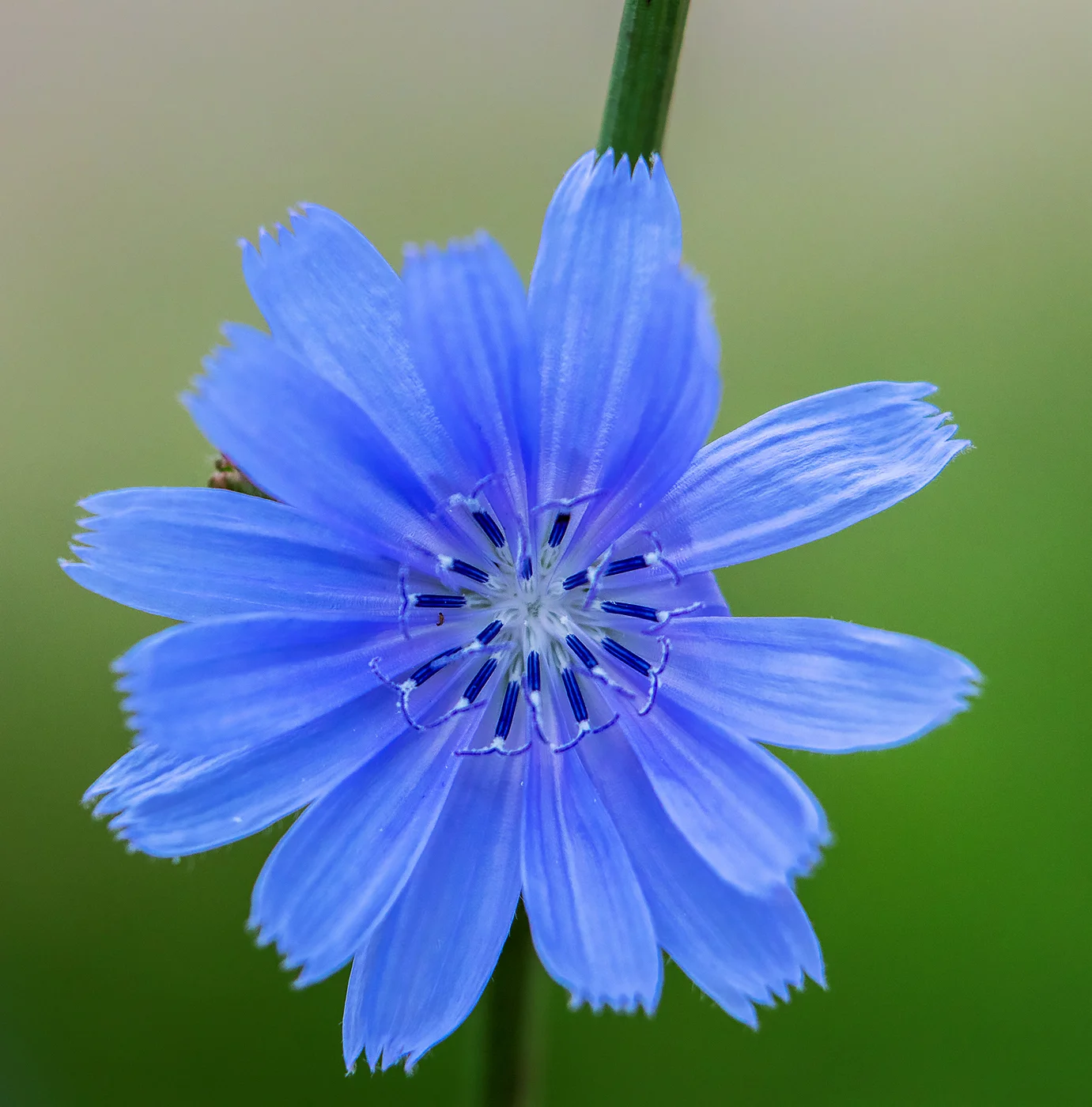
Chicory flower
Returning to the roots--or just above the roots--I stopped by a vacant lot in downtown Milwaukee that was filled with Chicory, Queen Anne's Lace and other common wildflowers. Here is a bit of the world along the sidewalk. And, yep, the same chicory whose roots are dried and ground as a coffee substitute or flavoring.

Chicory and hungry bee
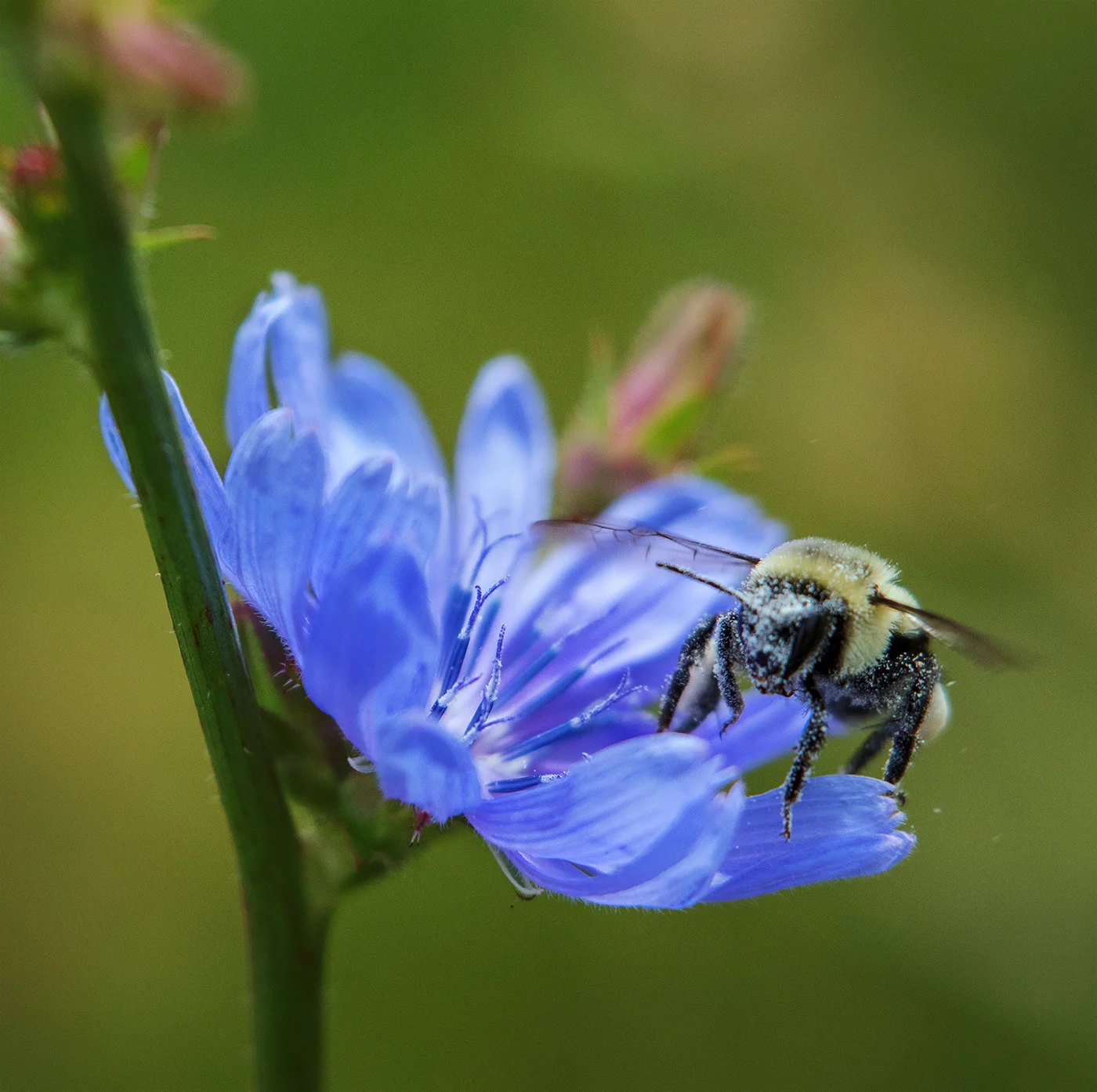
Getting dusted up

Loading up pollen on the leg, and sharing some

The world at our feet
Timpanogos Cave National Monument is in the Watsatch Mountains in Utah.
Up in the mountains. You need to hike up over a thousand feet from the valley floor to enter the cave. In this image, you can see the road where you start the hike.
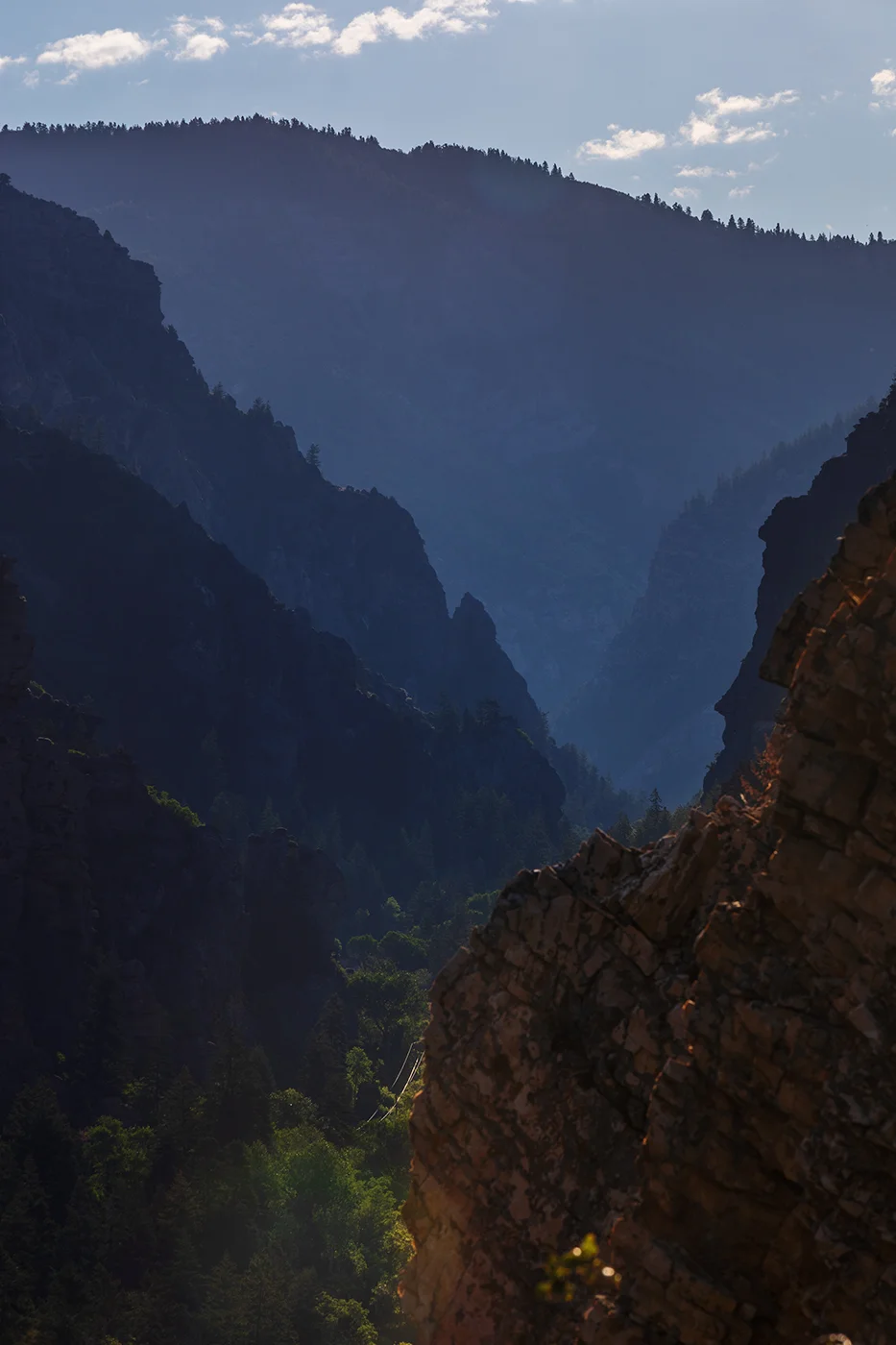
American Fork Canyon, Utah
Look up to see other hikers and the cave entrance.

Timpanagos Cave hike and entrance
Once in the cave, you follow old fault lines which have been carved into caverns and are being filled with formations.

Timpanogos Cave National Monument
On tour, the ranger explains the formations, such as bacon stalactites he lights with his flashlight and the cave's big feature: greenish helictites.

Ranger tour
The helictites are tiny tubes where water and minerals flow through capillarity attraction through the small capillaries and result in curled, twisting features.

Helictites
Outside the cave, there was one outstanding, helictite-like beard.

The Salmon River runs through a high desert valley that it has carved. One plant that thrives in the environment is the Ponderosa Pine. Its thick, orange bark (that smells like vanilla) survives most fires.

Salmon River, Idaho
However, some intense fires will destroy all, or nearly all, trees in its path.

Lone pine
The tree can serve as a perch to host raptors looking for a fish dinner in the river.

American Bald Eagle
While rafting five days on the Salmon River in Idaho, the first night camping in the Frank Church Wilderness was on a meadow above the river. With a dry, clear night forecast, I set up the tripod next to my sleeping bag and set an alarm for when the moon would set and the night sky would be its darkest.

Camping in the Frank Church Wilderness, Idaho
With the tripod and camera ready, I just focused and shot away at the Milky Way in the northeastern sky without needing to get out of my sleeping bag.

Milky Way in the eastern sky
When the sun rose, clouds moved in and were a nice subject for a time lapse in the early morning light.
Morning sky over Salmon River
The next night, the campsite was along the river with a view downriver and to the west. The river is the dividing line of Pacific and Mountain time zones, so this image was taken about 10:15 p.m., but it was only 9:15 on the other side. My watch uses GPS and was very confused. The moon was still up and its light covering most of the stars, though Jupiter was along side the moon and you can see it shining through to the right of the moon. I set my alarm for moonset and let the sounds of the river put me to sleep.

Moon and Jupiter above the Salmon River
I woke and was stunned by the sight in the dark sky. The Milky Way was glowing, but more amazing, Mars had risen. Though I've seen the planet in dark skies before, never had the planet been so bright and so red. (Unfortunately, the camera sensor was set for the dimmer stars and the red wave length was too bright to record. However, you can see the red color in the planet's reflection on the river.) When I returned home, I read that Mars was in "opposition" to Earth meaning Earth was between Mars and the Sun, and Mars was closer to Earth than it had been since 2003. It glowed 10 times brighter than usual. Adding to the event, Mars is having huge dust storms and reflects redder than normal. I was mesmerized watching it move across the dark sky and its reflection dance along the river as meteors flew about. When the Sun started lighting the sky, it was time to get back to sleep.

Mars and the Milky Way reflecting in the Salmon River
Sorry for not getting any blog postings the last couple weeks. However, I've got a big selection of images from Idaho to share. First, is the barren, high desert, lava field at Craters of the Moon National Monument and Reserve.
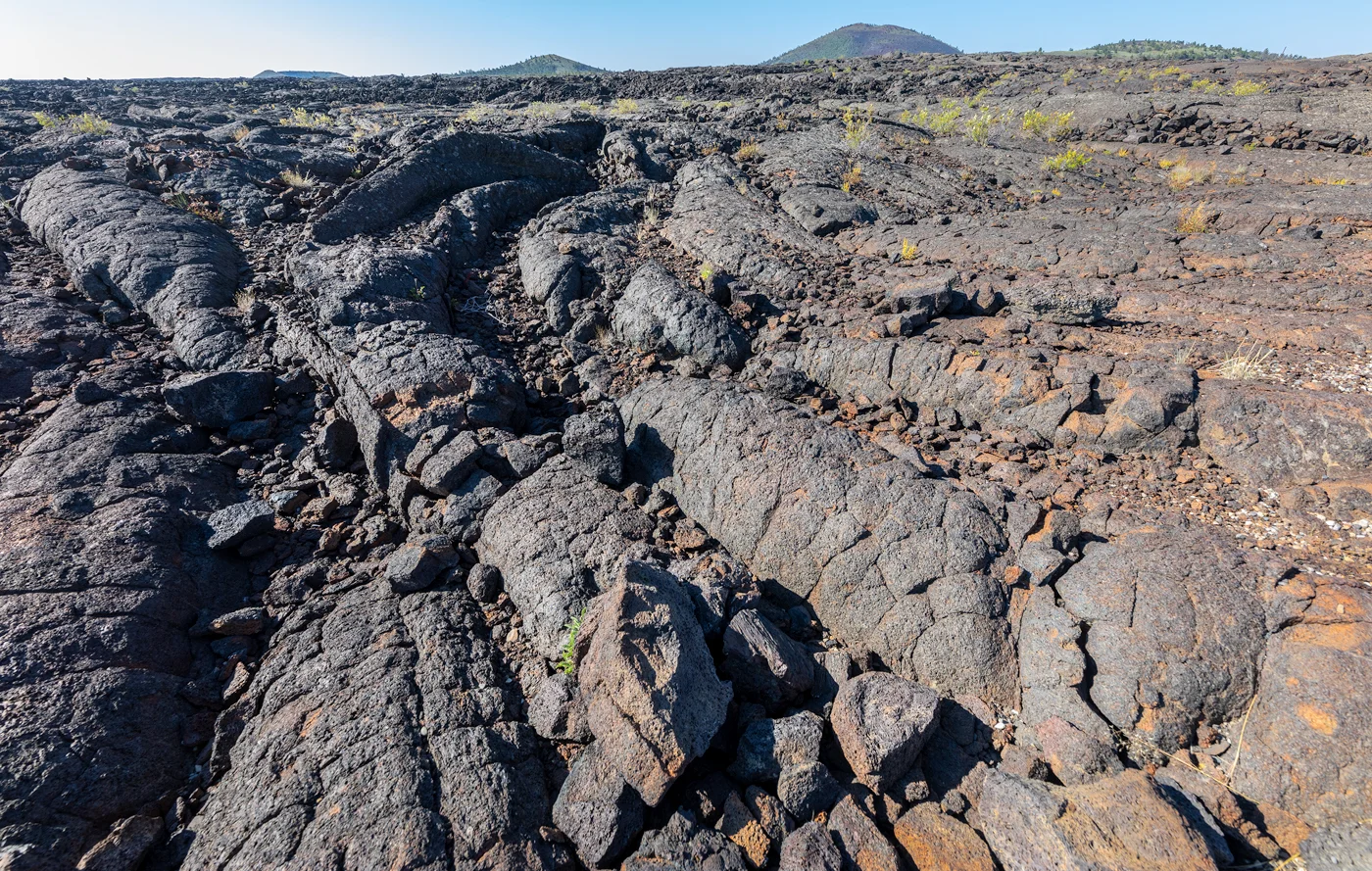
Lava field, Craters of the Moon National Monument and Preserve
The park was used as a training ground for Apollo astronauts and to learn about volcanic geology. It is now used by some scientists preparing missions to Mars. You can hike caves formed by lava tubes.

Indian Tunnel
After going underground, you can climb cinder cones that spewed lava 2,000 years ago. The main lava flows occurred 15,000 years ago. The giant lava dome under Yellowstone National Park used to be under this part of Idaho.

Inferno Cone trail
From atop the cinder cone, you can see other volcanoes and lava domes in the distance. One peeks from behind the right side of this tree trying to live on the little bit of soil in the cinders.

Dawn atop Inferno Cone, Craters of the Moon
The park is also an International Dark Sky Park. The sky was even darker on the Salmon River. Those images, including a visit by Mars, will come later.

Early morning on Devils Orchard Trail
Gloaming is a Scottish word for the dim light in the sky after the sun is down. It's a word in Chicago Cubs lore for Gabby Hartnett's home run 80 years ago before there were lights in Wrigley Field. Darkness descended on the field and the umpires said the September game would end in the ninth inning. The rules then required a suspended game be replayed in its entirety. With the score tied, and two outs and two strikes, Hartnett's ball went into the darkness and landed in the bleachers, and Cubs swept the Pirates and won the pennant--the Homer in the Gloamin'.

Gloaming street, Edinburgh, Scotland
I experienced a beautiful display of gloaming skies a few years ago at Badlands National Park, South Dakota. The sun had set but the last light was still reflecting off the west-facing peaks.
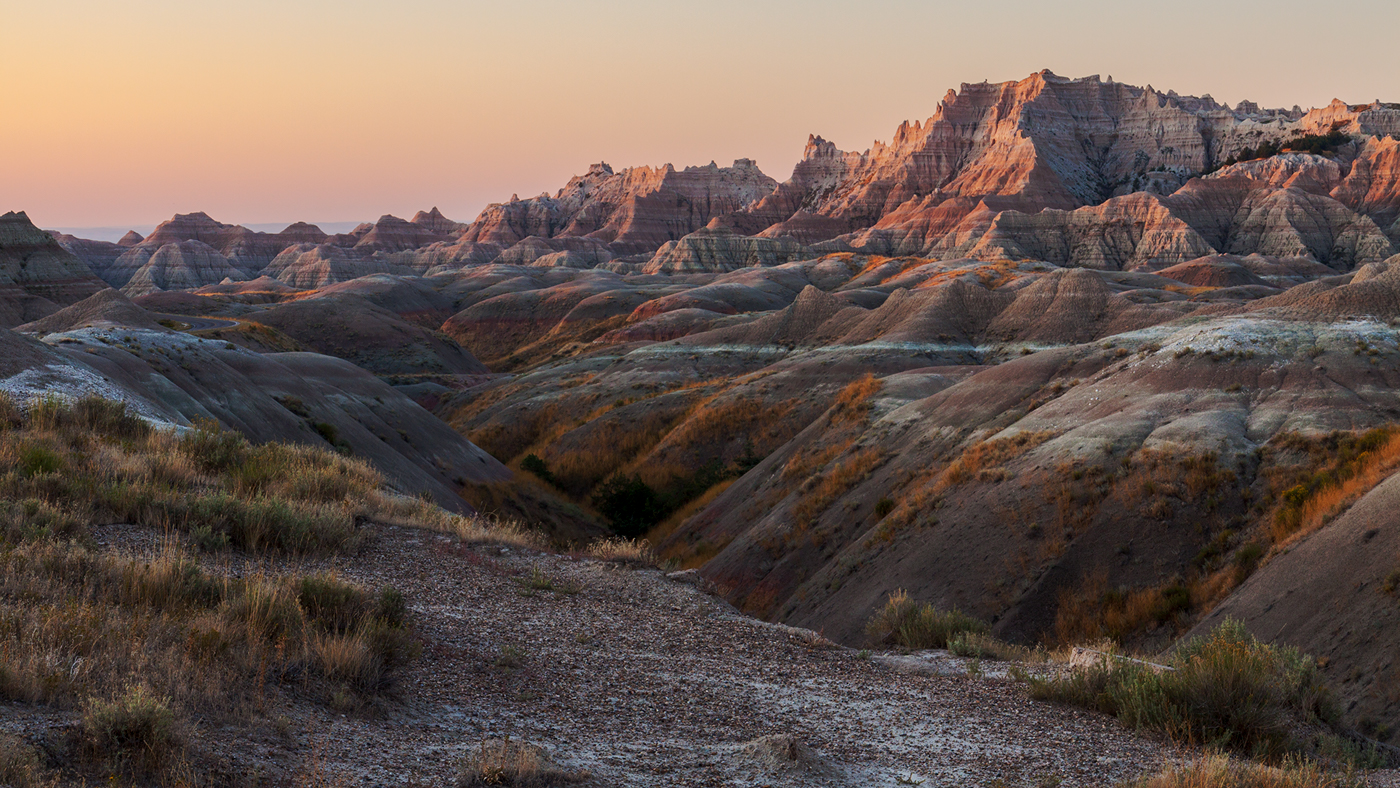
Badlands peaks at dusk
The soft light seeped into the badlands.

Dusky glow, Badlands National Park
The next morning, well before the sun came above the horizon, the gloaming light made the features glow.

Door trail dawn
Nearly 2 miles of medieval city walls surround York, making it the largest remaining defensive walls in England. Some of the wall is near roads and homes, but much has park and gardens along side.

City Wall, York, England
The city takes great care maintaining the wall, and you can walk around the town on the wall. However, you can find flowers here and there.


Wall flowers
The Romans first walled the city, and portions of their work still survive. In some places, the invading Danes, who next captured the city, expanded the circumference. The Anglo-Saxons expanded and built it even higher. The walk around the city is beautiful as well as a journey to the past.

Attackers preparing to birch the wall
Visited Kew Gardens near London today. The glass houses are spectacular. Here's the Temperate House.

And the Princess of Wales Conservatory.
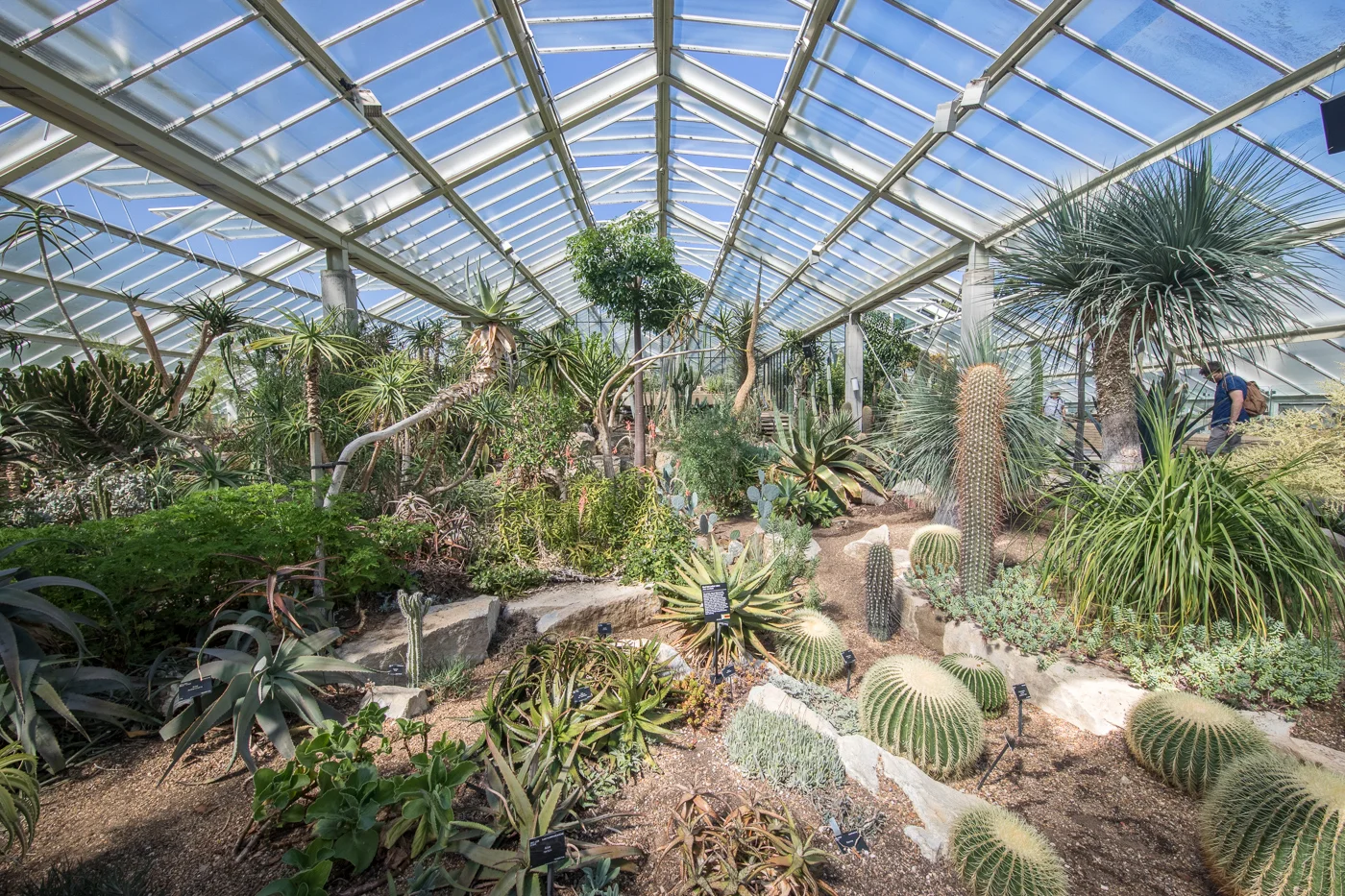
That Conservatory has 10 climate zones, and great specimens.

And then in the Rose Garden
behind the Palm House
my son Dan asked Melina
And she said "Yes!"

It's the time of year many will be heading to the beach. Perhaps you'll visit some of these fellows who are often there.

Willet
This large sandpiper looks much different when it flies flashing black and white bars on its wings.

Herring Gull
Finding treasure in the surf.

Laughing Gull
This gull is getting its breading colors of an all black head.
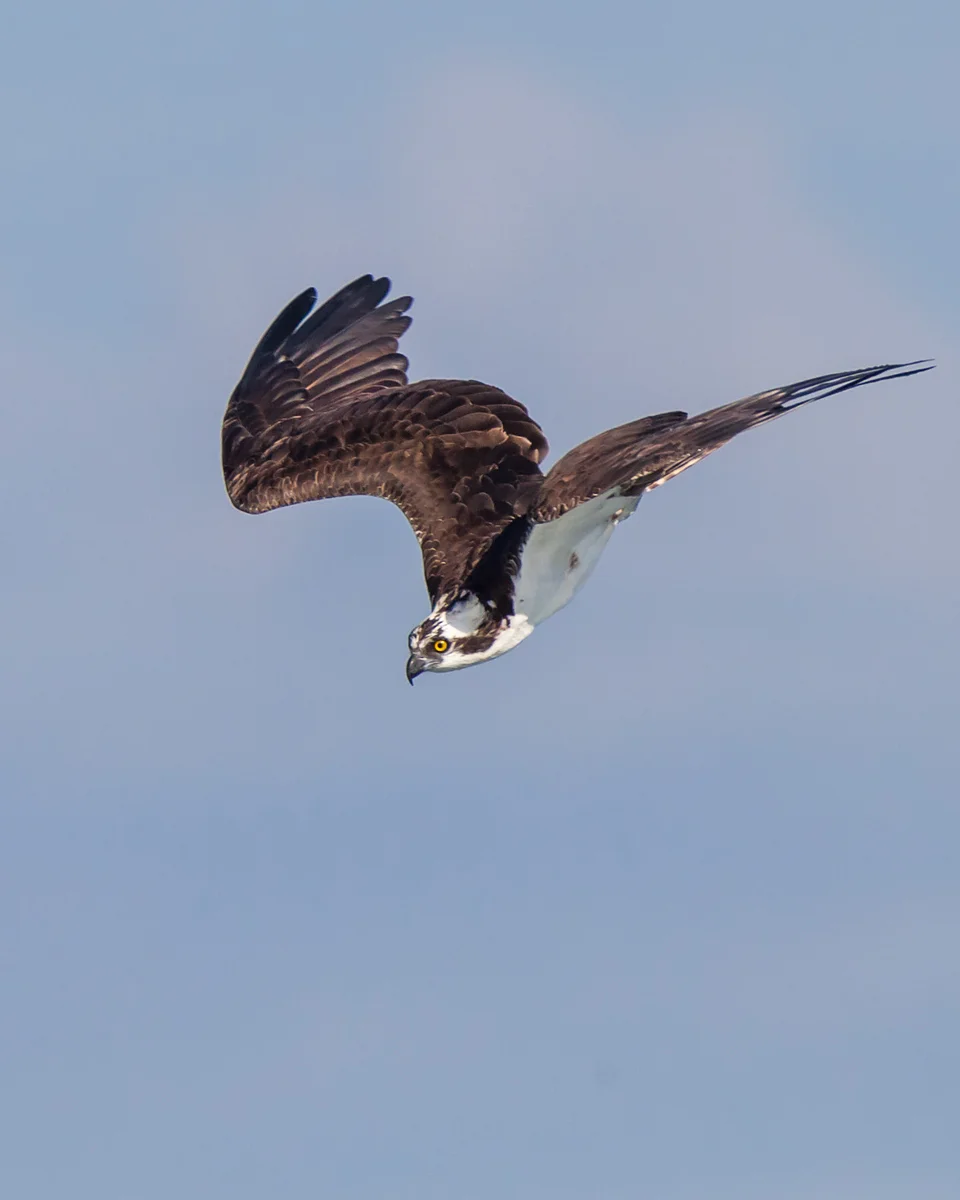
Osprey
Eyes on the prize before it hits the water.
Old doors open when you don't expect.

Doorway, Stark County corn crib
Growing up, we had a bee hive to pollinate our citrus grove. When I was 11 or 12, the bees swarmed. A cloud of bees, 20 or more feet around, swirled like a tornado near our back door. The swirling got tighter, the cloud got smaller, getting close around a Temple Orange tree. Eventually, the queen landed on a branch and the worker bees clustered around her, a living, whirring bundle. Dad called a beekeeper, who came with his netted hat, calmly grasped the branch the hive clustered on, clipped off the branch, and put the swarm in a box. I never saw another bee swarm.

Corn crib, soybean fields, and summer sky
I was driving Tuesday, watching a great summer sky, wanting to use my new wide angle filter. (Thank you, you know who.) Finally, I saw something that could anchor an image. I drove up, parked, and walked up to the corn crib.
As I got closer, looking through the viewfinder for a composition, I heard humming. Thinking there must be machinery working inside, I looked up and realized there was a vortex of bees 30 or 40 feet wide swirling around the front of the building. I wanted to get closer for a better shot, but thought that might not be wise.


Corn crib and bees, Stark County, Illinois
I saw the bees were starting to land on an opening between old boards on the building. The cloud of bees was getting smaller. You can see the group centering on the opening and others silhouetted against the sky on the left.

New bees, old boards

Honey bees finding a new home
I went back to the car to get a longer lens. The swarm cloud was getting smaller and more bees were landing on the boards and moving inside. I moved along, transported back nearly fifty years.
Midewin National Tallgrass Prairie is a fine location to photograph birds. A key to a good photo is finding good perches the birds will land on to separate themselves from the background.
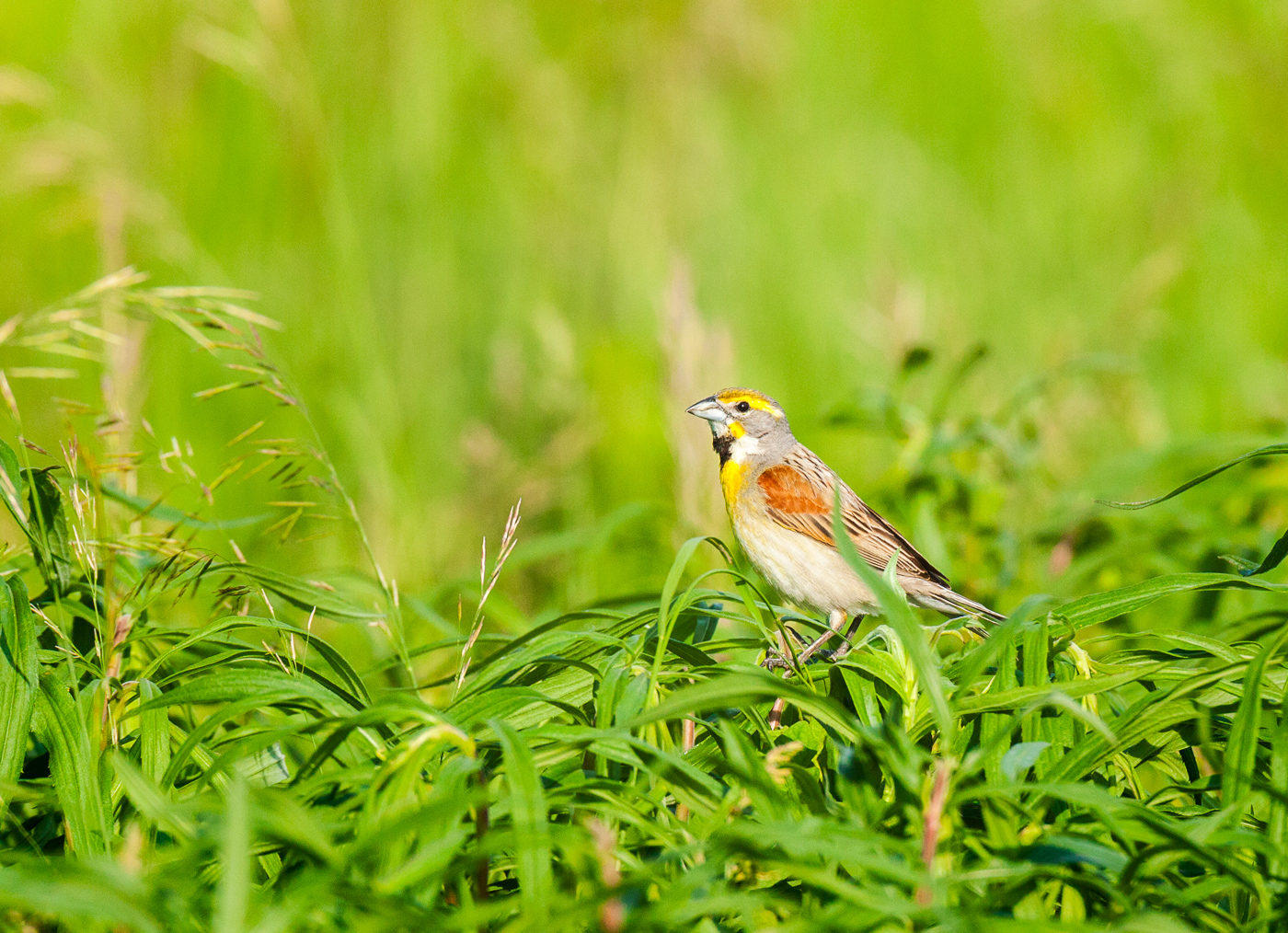
Dickessel in prairie grasses
Nice portraits are available when they can be isolated.

Dickessel Midewin Tallgrass Prairie

Goldfinch in a thorny situation
Last year, some new perches were introduced.

Cowbirds on Bison