This past Wednesday was the beginning of Ramadan and Lent, both seasons of fasting, prayer and reflection.
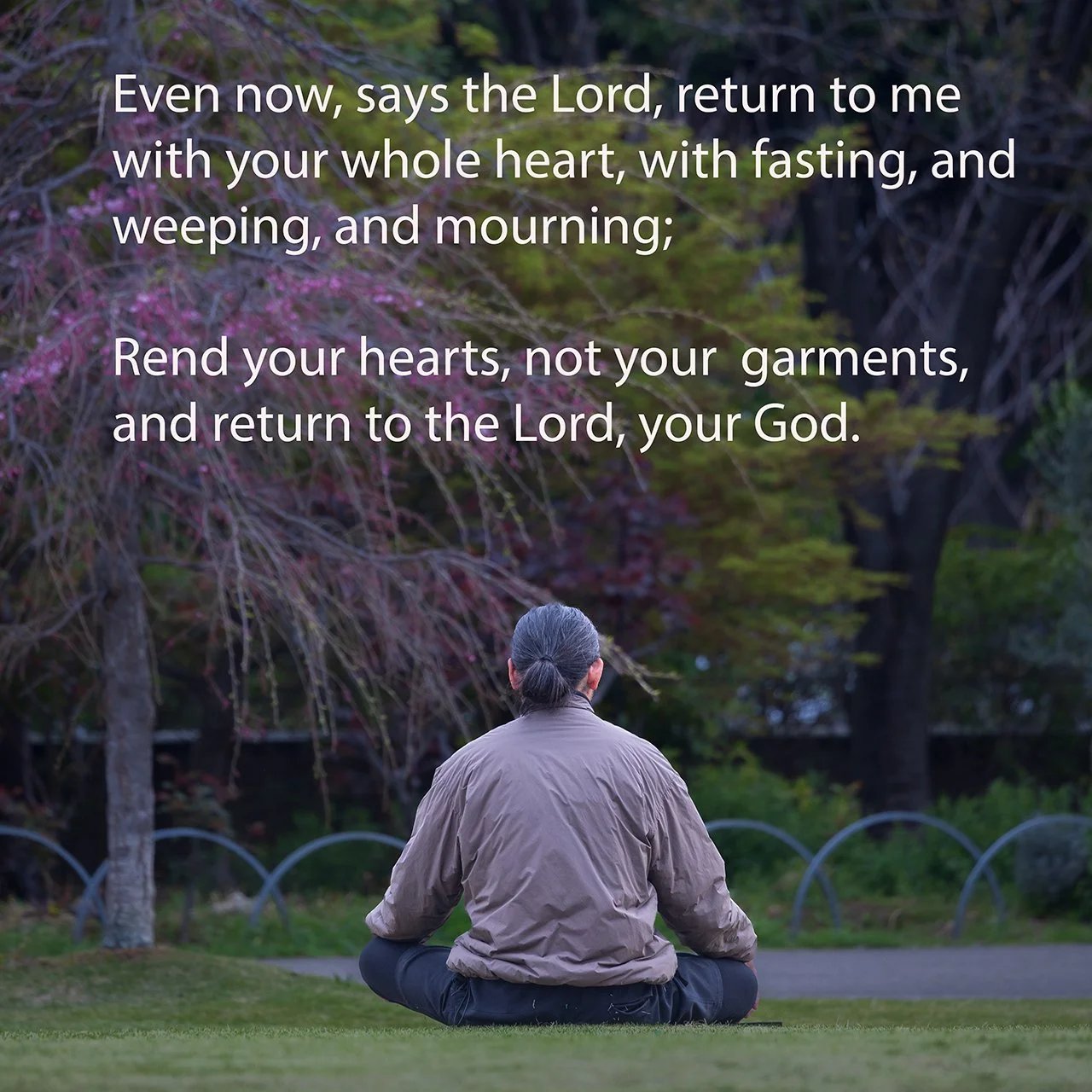
Shiba Park, Tokyo . . . Joel 2:12
One ancient practice of prayer is called Lectio Divina, Latin for divine reading, which begins with slow, repeated reading of a short passage. Another practice is called Visio Divina, for divine seeing, which begins with a slow, immersive gaze at an image or object.
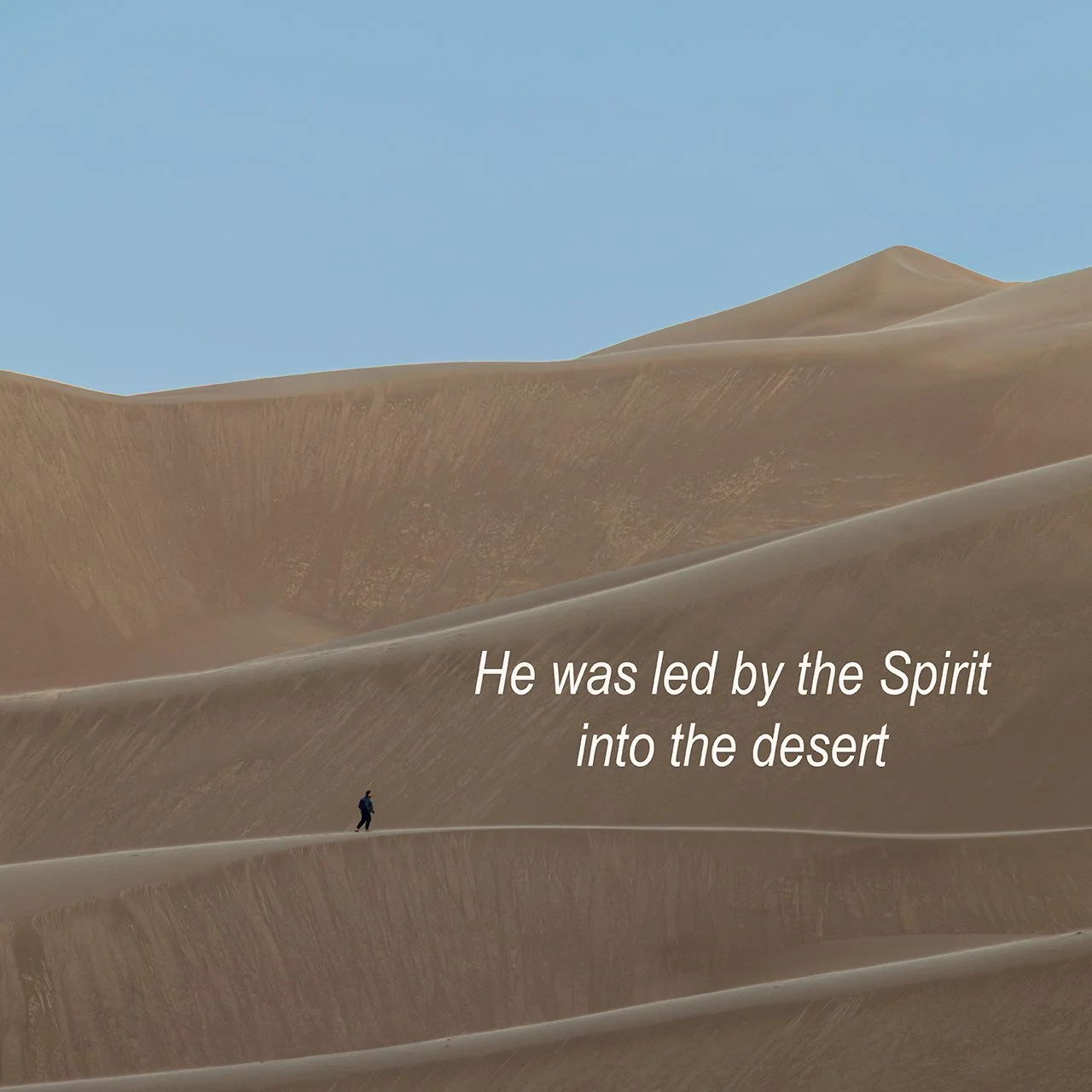
Great Sand Dunes National Park, Colorado . . . Matthew 4:1
The texts inserted in these images are from Ash Wednesday and the five Sundays of Lent. For Ramadan, one common practice is to read the entire Qur’an over the 30 days.
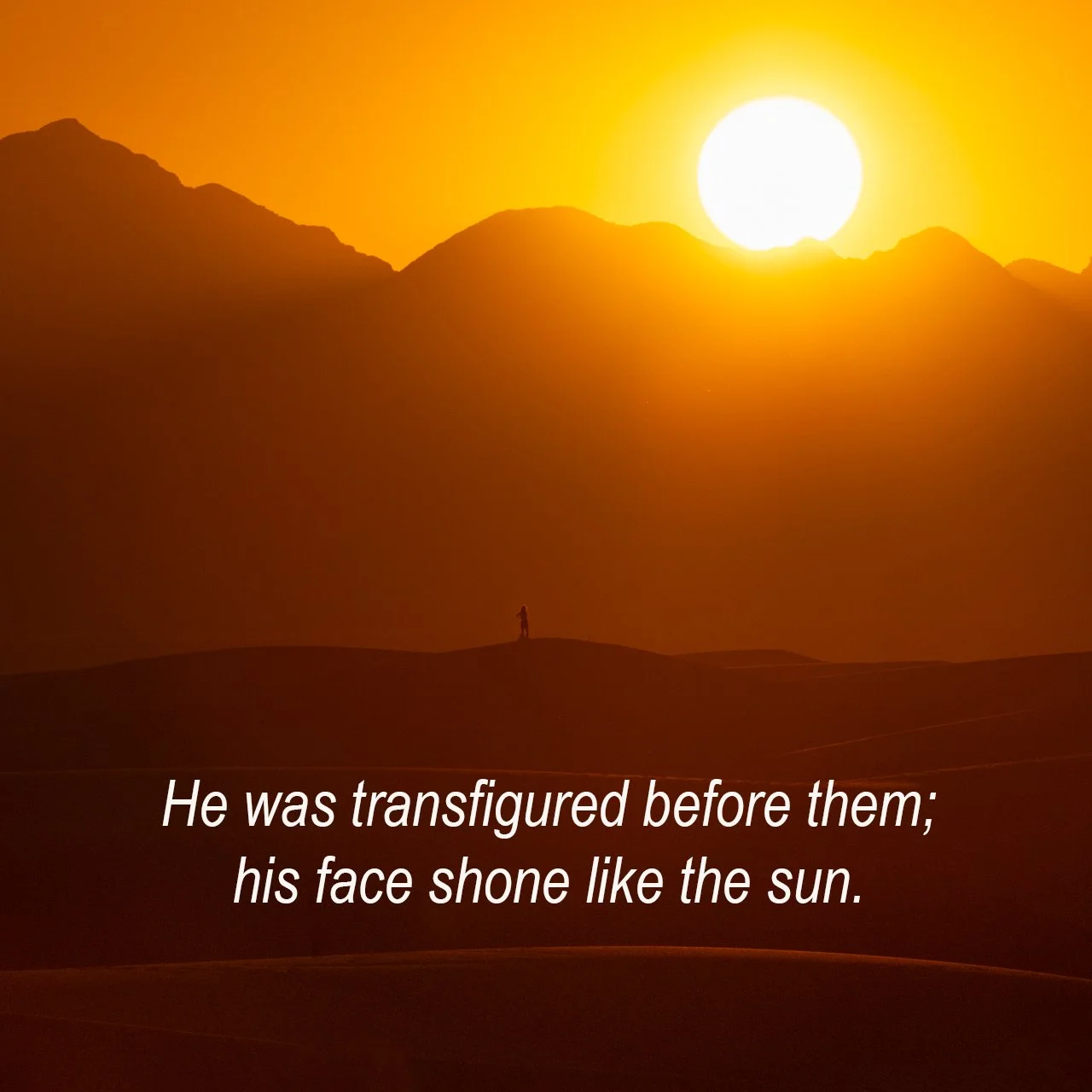
White Sands National Park, New Mexico . . . Matthew 17:2
Richard Rohr, a Franciscan friar living in New Mexico, describes one form of prayer as "wide-eyed seeing", or the simple act of being present and aware of the current moment.
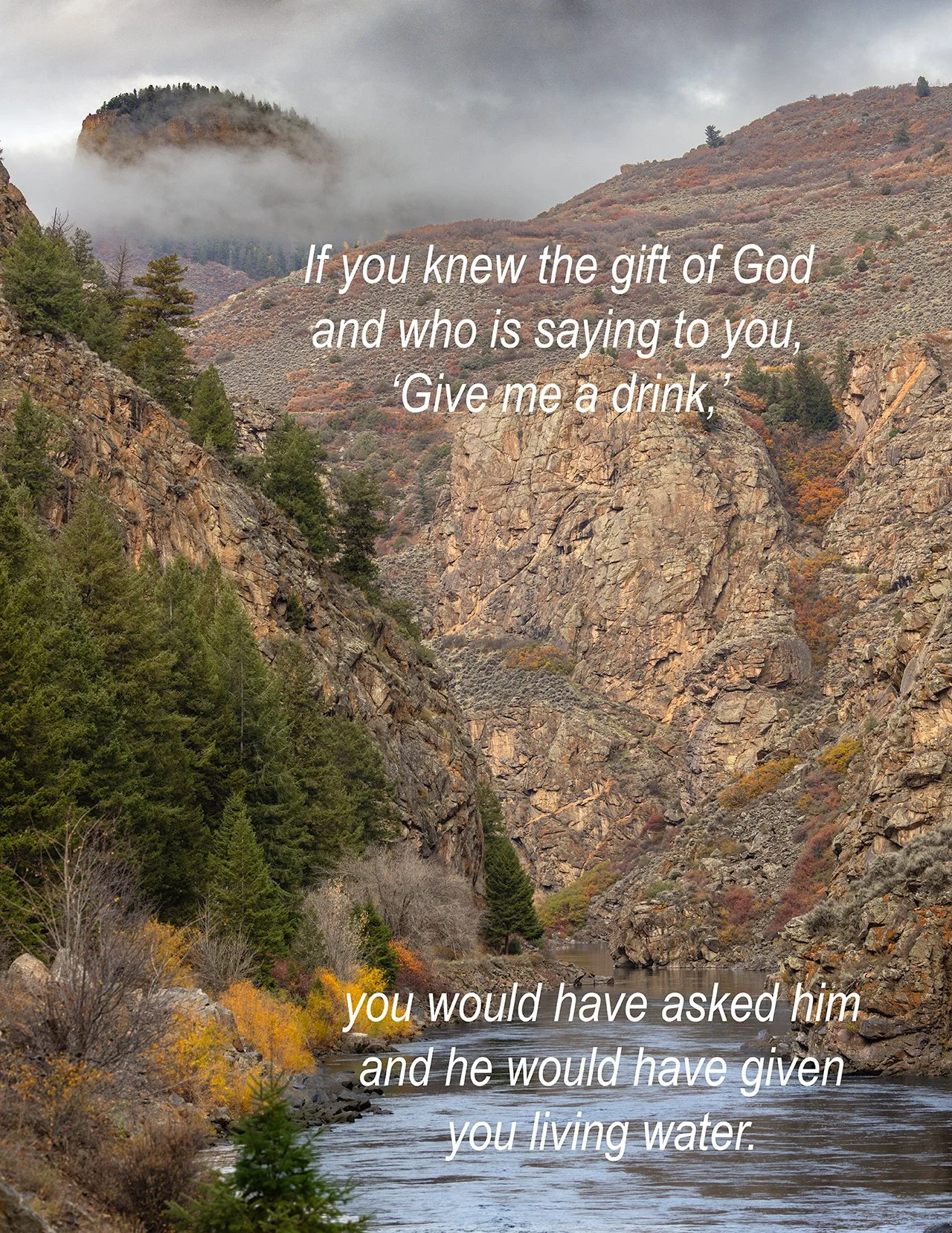
Curecanti National Recreation Area, Colorado . . . John 4:10
Eight hundred years ago in 1225, Francis of Assisi, as he approached his death wrote what is considered one of the first poems written in vernacular Italian. In Canticle of the Creatures he writes of
Sister Water,
so very useful and humble,
precious and chaste.
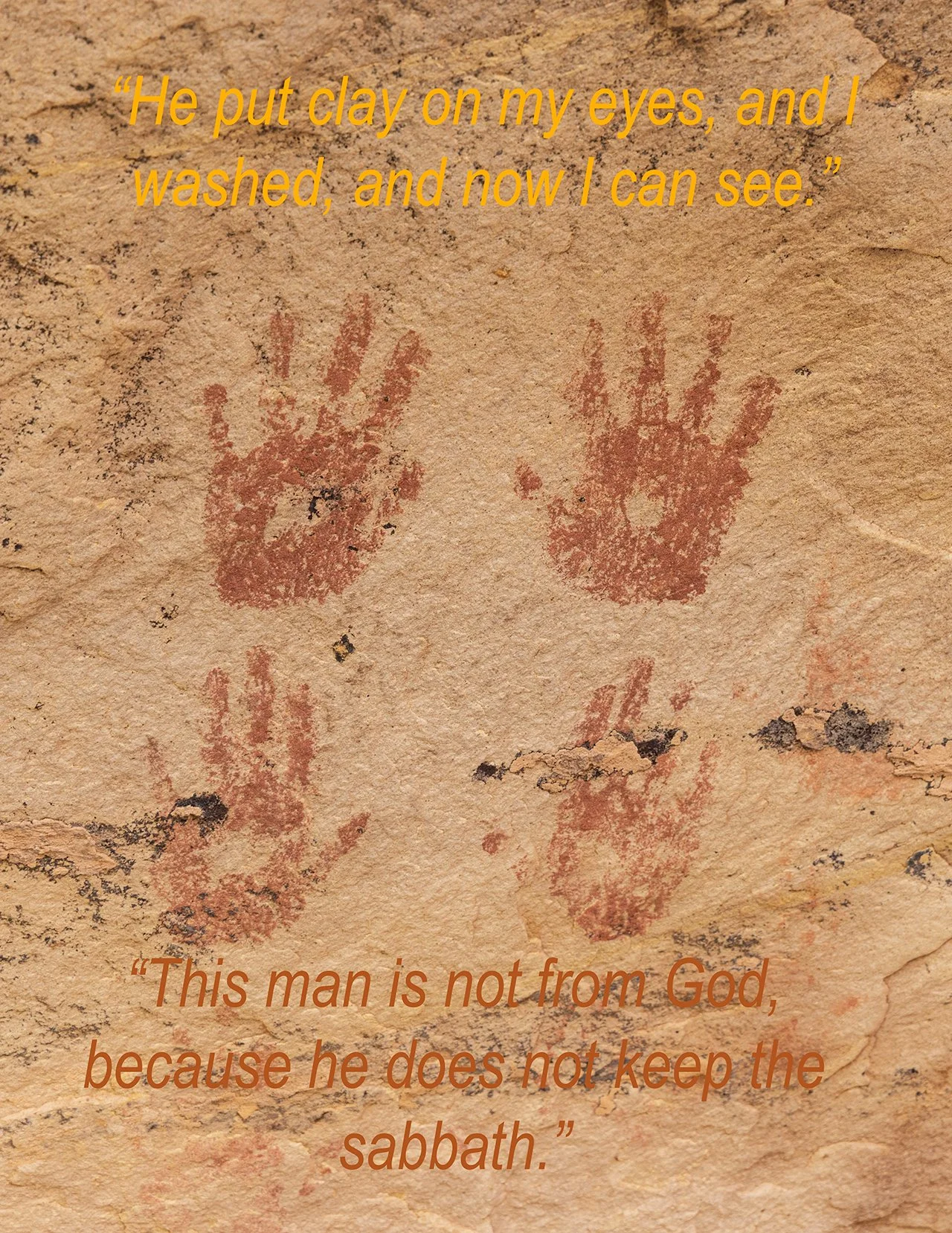
Monarch Cave, Bears Ears National Monument, Utah . . . John 9:11
At about the same time Francis wrote those words, Ancestral Puebloans were putting their hand prints and other divine images on the walls where they lived.
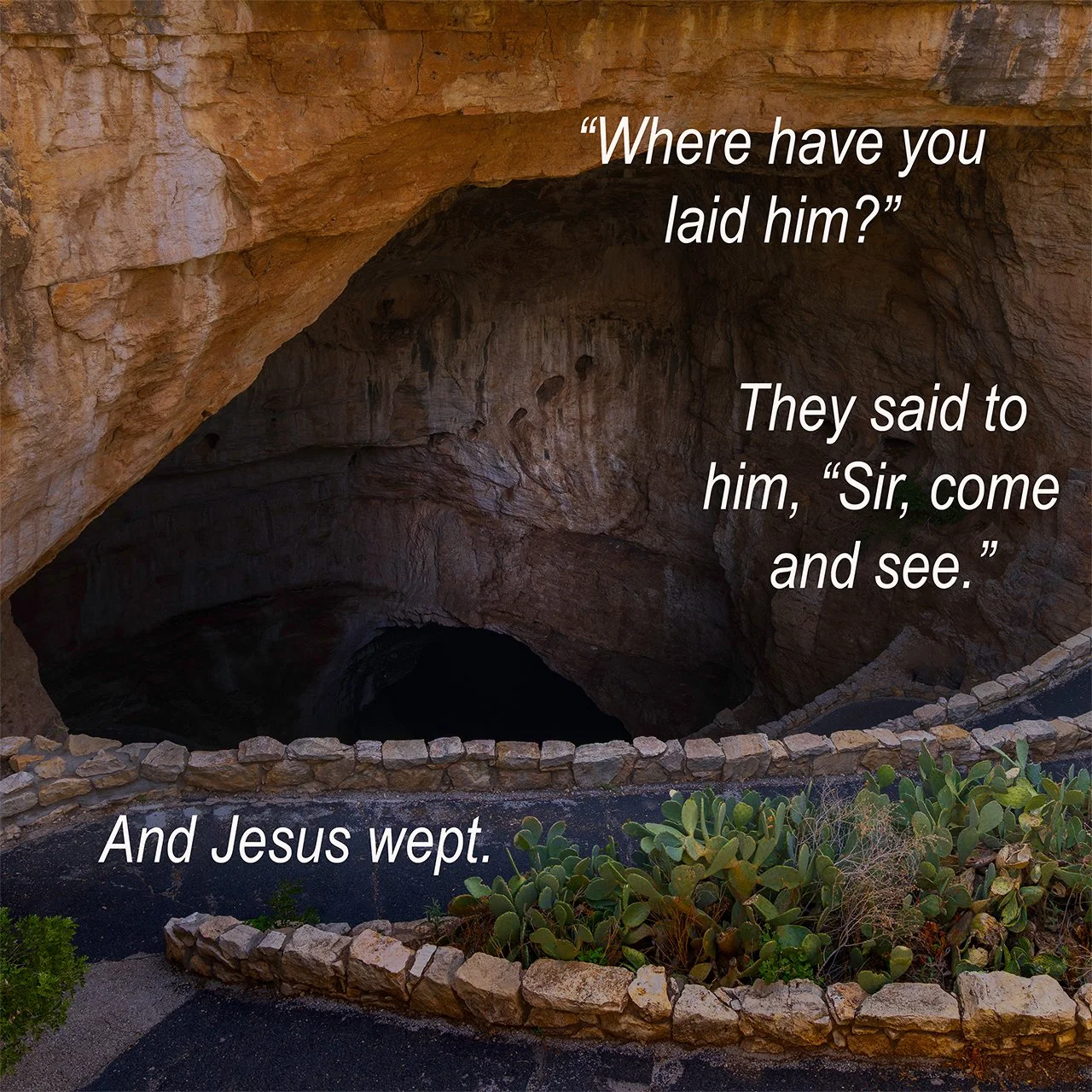
Carlsbad Cavern National Park, New Mexico . . . John 11:35
October 3 of this year marks the 800th year of the death of St. Francis. Murray Bodo, a Franciscan Friar born in Gallup, New Mexico surrounded by the Navajo Reservation, and decedents of the Ancestral Puebloans, wrote:
“Then when Father Francis came to die, he sang the final stanzas of his Canticle, knowing full well the words would give him hope and courage to make the passage into the kingdom that already dwelled within him, a mirror of the kingdom he was about to return to.
Praised be you, my Lord, through our Sister
Bodily Death from whom
no one living can escape.”