Last week’s images of looking at what’s by your feet continues. I’m still sorting some older images from Scotland. Instead of rocks on a Scottish beach, today on the first day of spring it’s ice on a highland lochan.
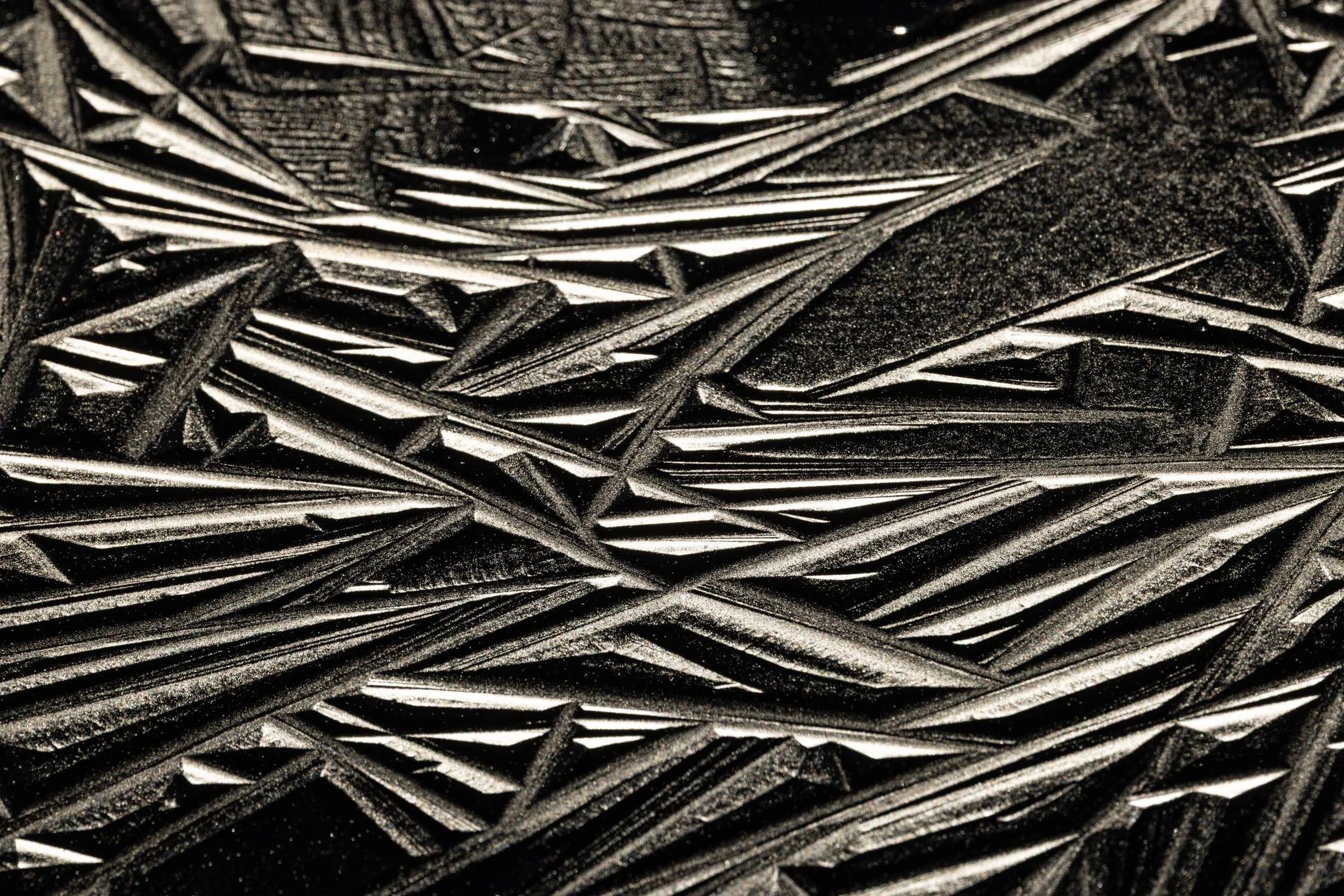
In windless cold that is the heart’s heat
I previously posted images of the grand scenes on Rannoch Moor in the western highlands and the incredible midwinter fog that covered Loch Ba and surrounding mountains on the morning we visited. The hoarfrost on the plants and the ice patterns on the surface of the lochan (the little lochs) captured me as well. As pictured in the earlier post, there was a moonbow when the sun first came up with the fog. But as the sun began to clear the fog, it seemed to light afire the fog and one of the few trees in the bog.
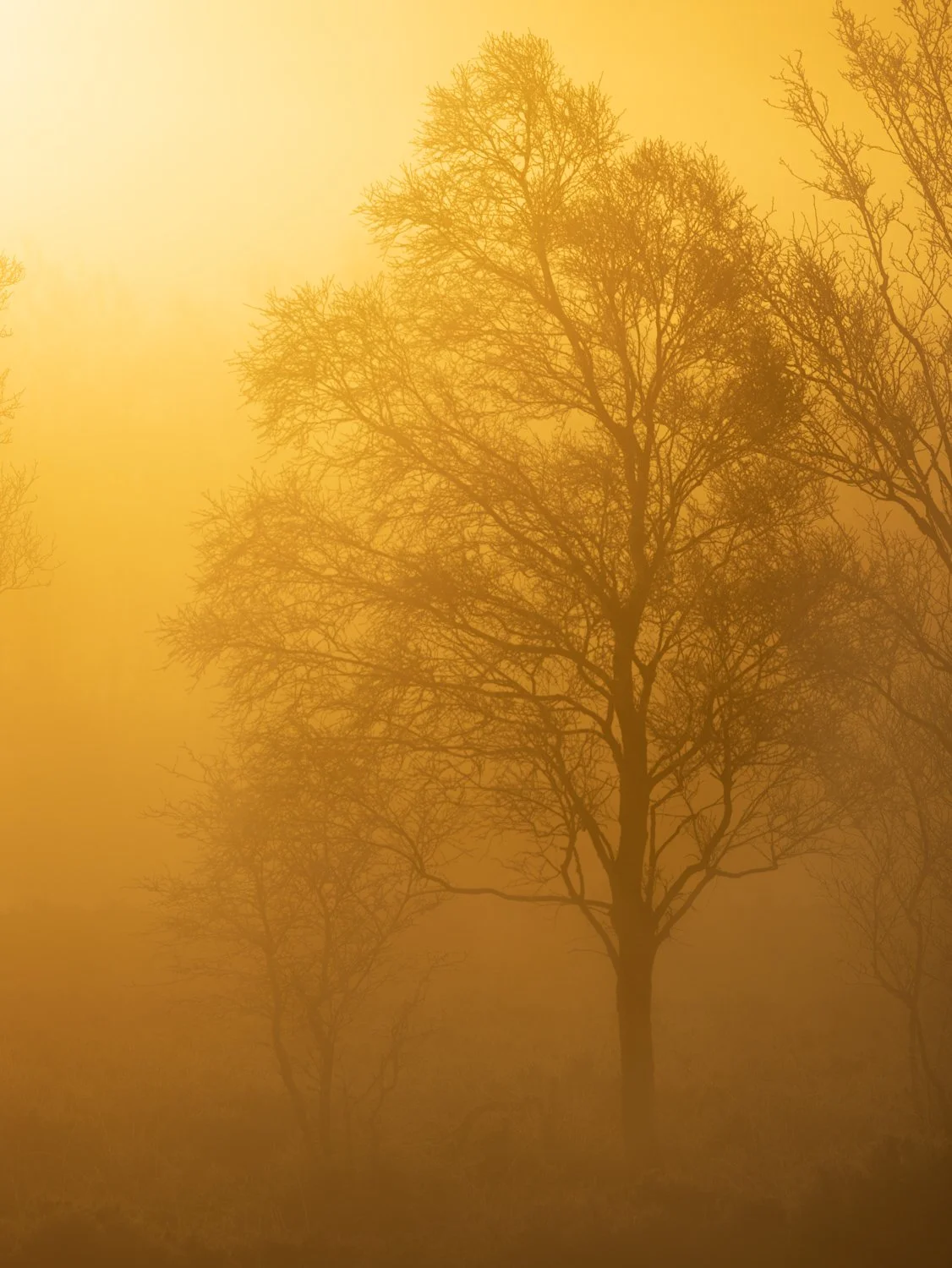
The short day is brightest, with frost and fire
And the color was reflected in the ice that the sun would likely soon melt. You need to watch where you step. Much of the ground is sodden, and would get more so as the day warms. The day and the seasons can change quickly. And some things stay constant.
As well as the end of winter and first day of spring, Ramadan ends and the feast of Eid al-Fitr begins. And our self-proclaimed Christian nation along with the Jewish state, both led by autocratic minded leaders, bomb a Muslim state led by an autocrat. And children die.
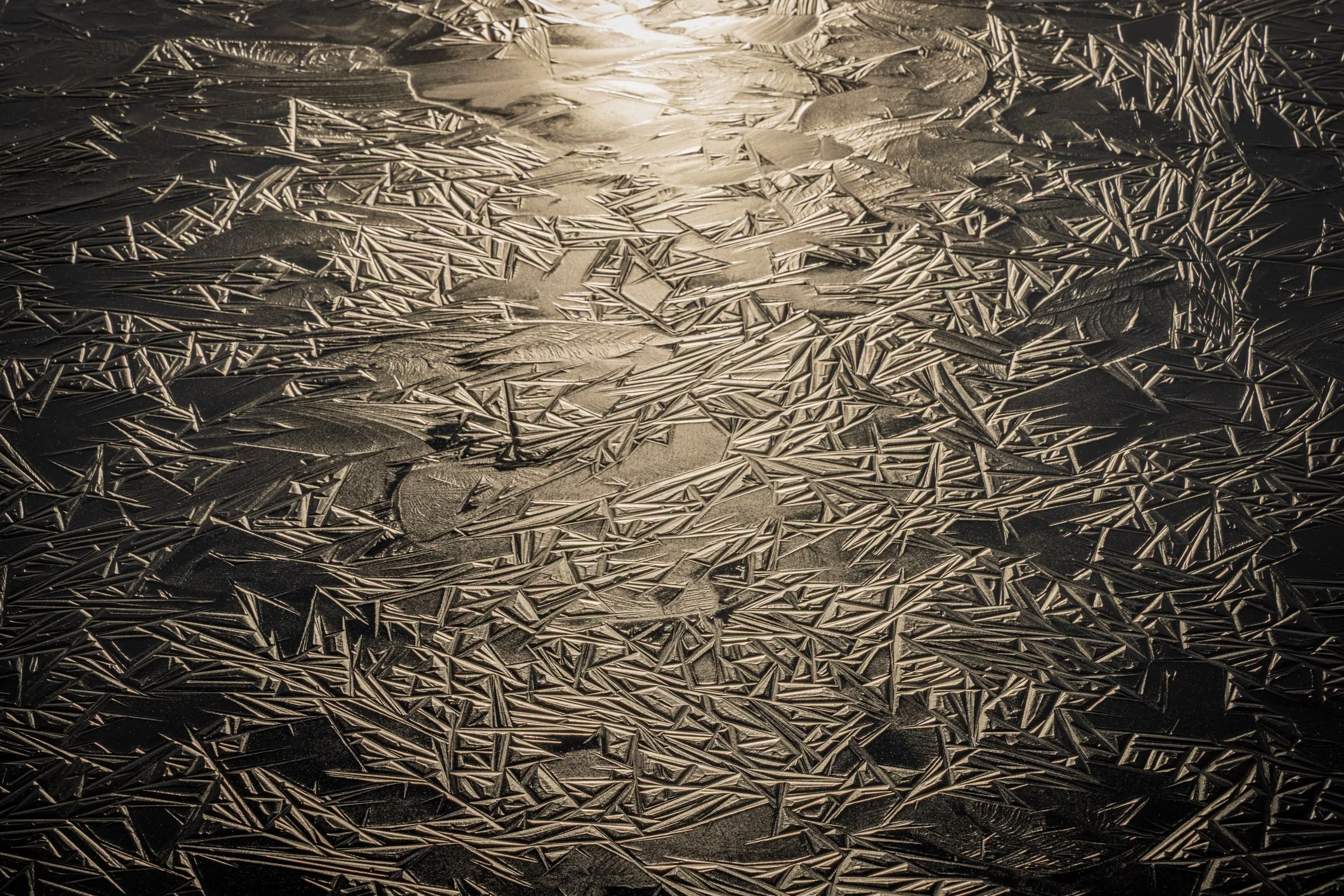
Reflecting in a watery mirror
A practice for me this Lent is to meditate on T.S. Eliot’s Four Quartets. He wrote the last of the four poems, Little Gidding, as Germany was bombing London and Eliot was a fire warden in the city. It begins:
Midwinter spring is its own season
Sempiternal though sodden towards sundown,
Suspended in time, between pole and tropic.
When the short day is brightest, with frost and fire,
The brief sun flames the ice, on pond and ditches,
In windless cold that is the heart's heat,
Reflecting in a watery mirror
A glare that is blindness in the early afternoon.
And glow more intense than blaze of branch, or brazier,
Stirs the dumb spirit: no wind, but pentecostal fire
In the dark time of the year. Between melting and freezing
The soul's sap quivers.
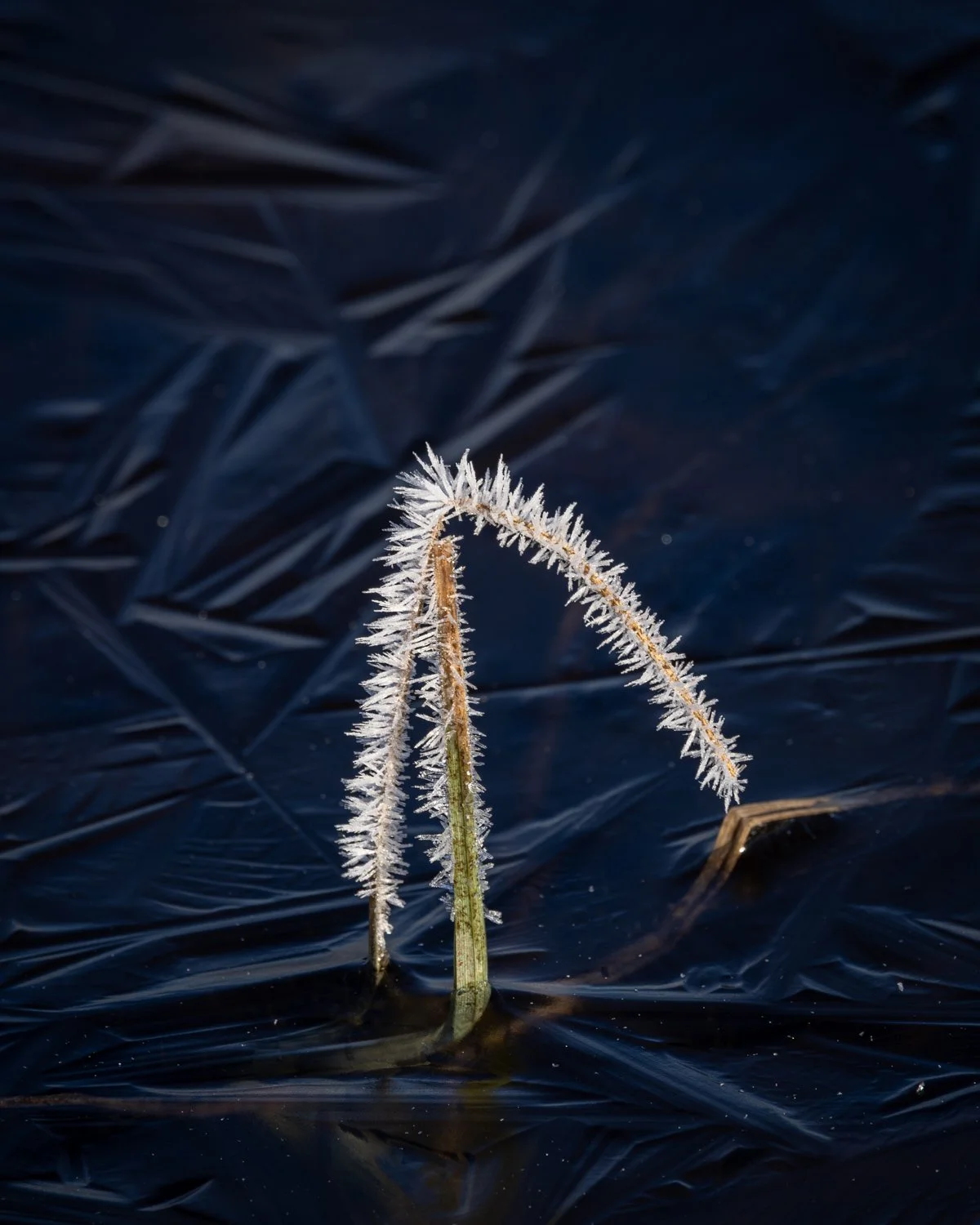
The soul’s sap quivers
As any good poet, Eliot begins with concrete images that provide layers of metaphor. He often has many allusions to Dante’s Divine Comedy. As quoted above, Eliot frequently refers to frost and fire. In The Inferno, the many of the levels of hell have fire, but ninth, the deepest level, is ice in which Lucifer is frozen.
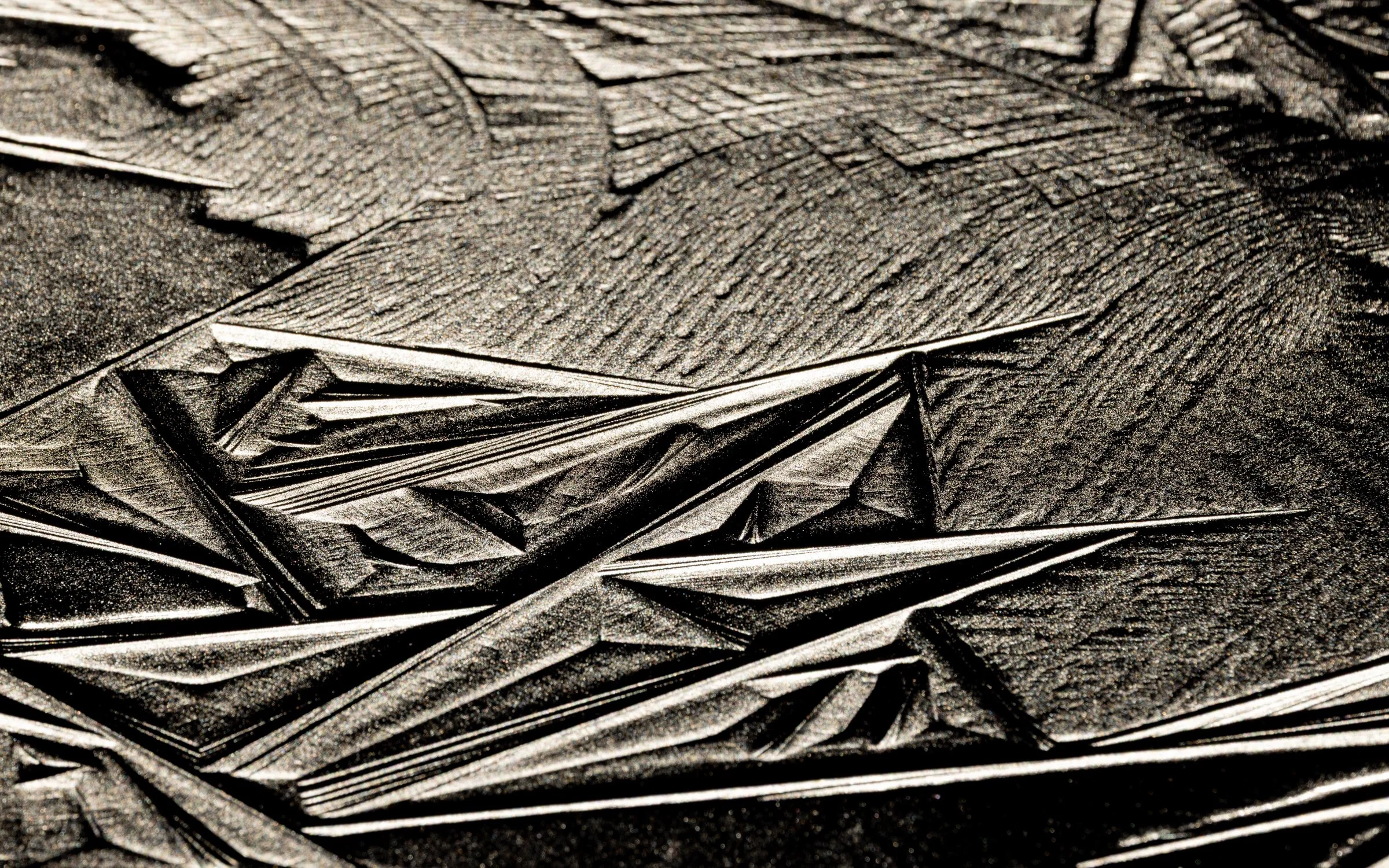
With frost and fire
And perhaps he refers to our own seasons of life.
There is no earth smell
Or smell of living thing. This is the spring time
But not in time's covenant. . . .
Where is the summer, the unimaginable
Zero summer?
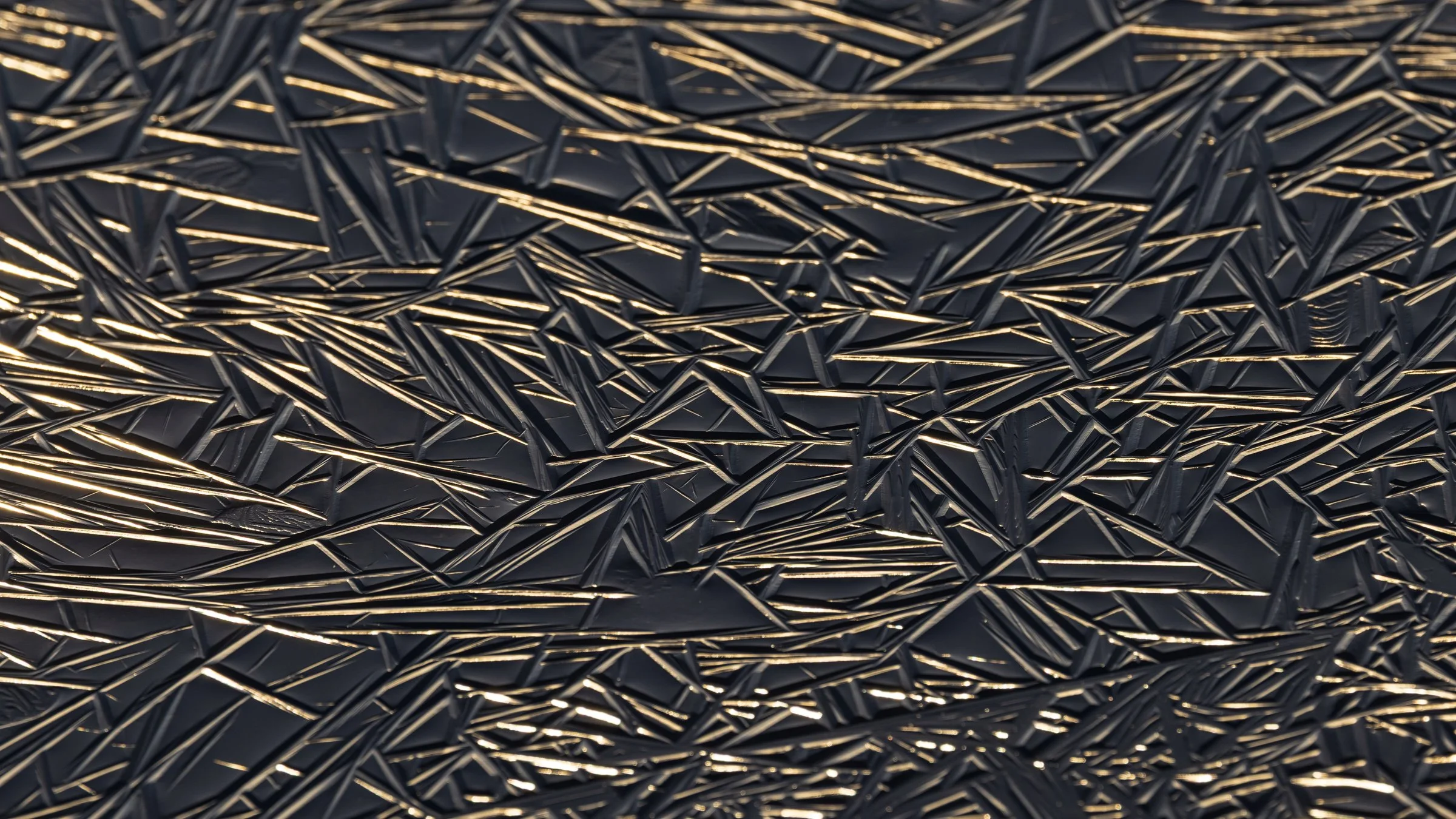
This is the spring time
Yesterday on the last day of winter in my backyard with snow on the ground, the air was warm in the sun. Frogs sang in the pond nearby and Sandhill Cranes sounded somewhere in the distance as they begin their trip south. May ICE melt everywhere.
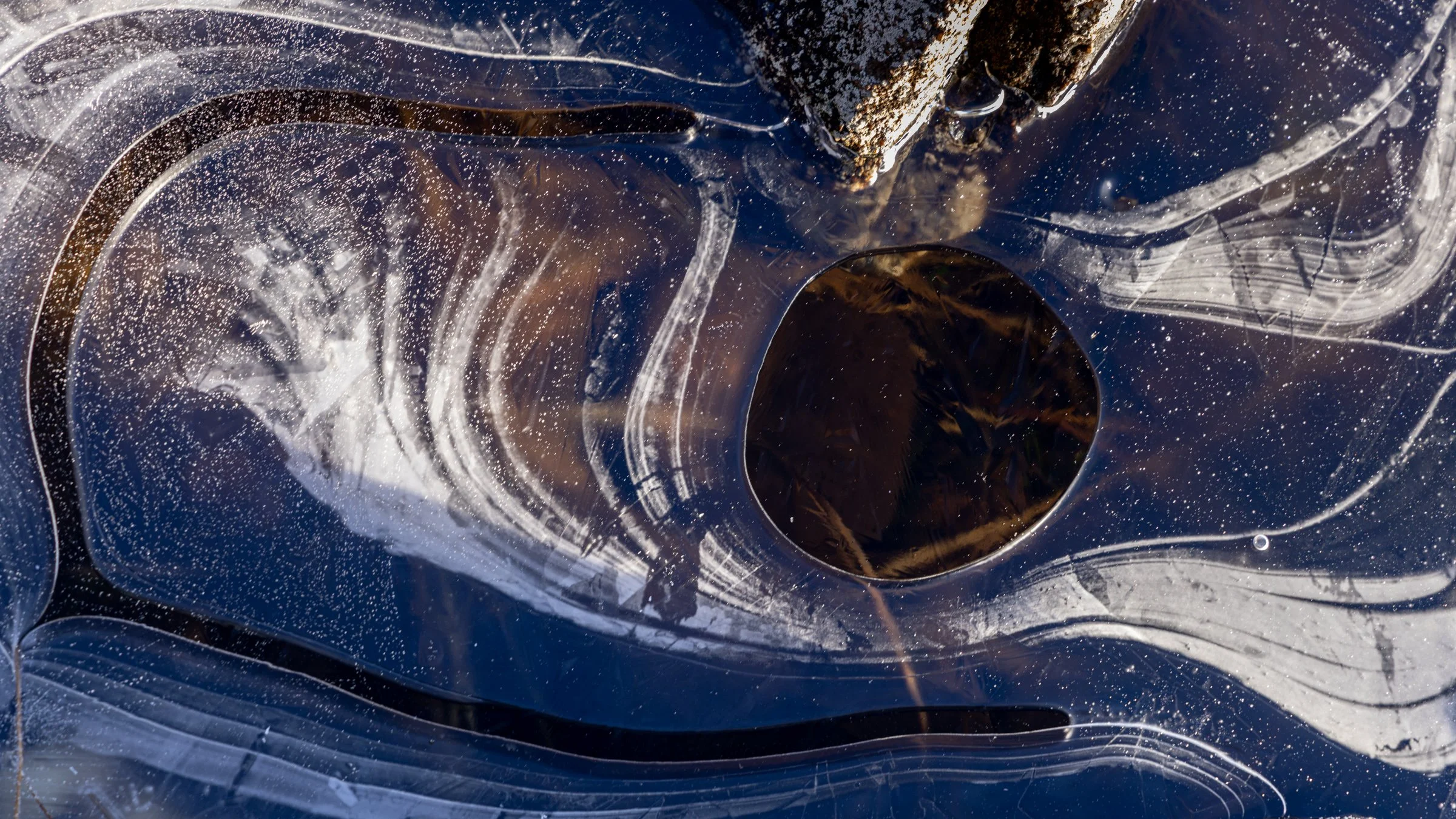
Where is the summer, the unimaginable Zero summer?