While visiting Wind Cave National Park in South Dakota, we heard the Lakota emergence story a couple times. Wind Cave gets its name from the small natural opening of the cave which blows in or out as air pressure changes between the atmosphere and the underground. It is a holy place for the Lakota and the passageway to spirit world.
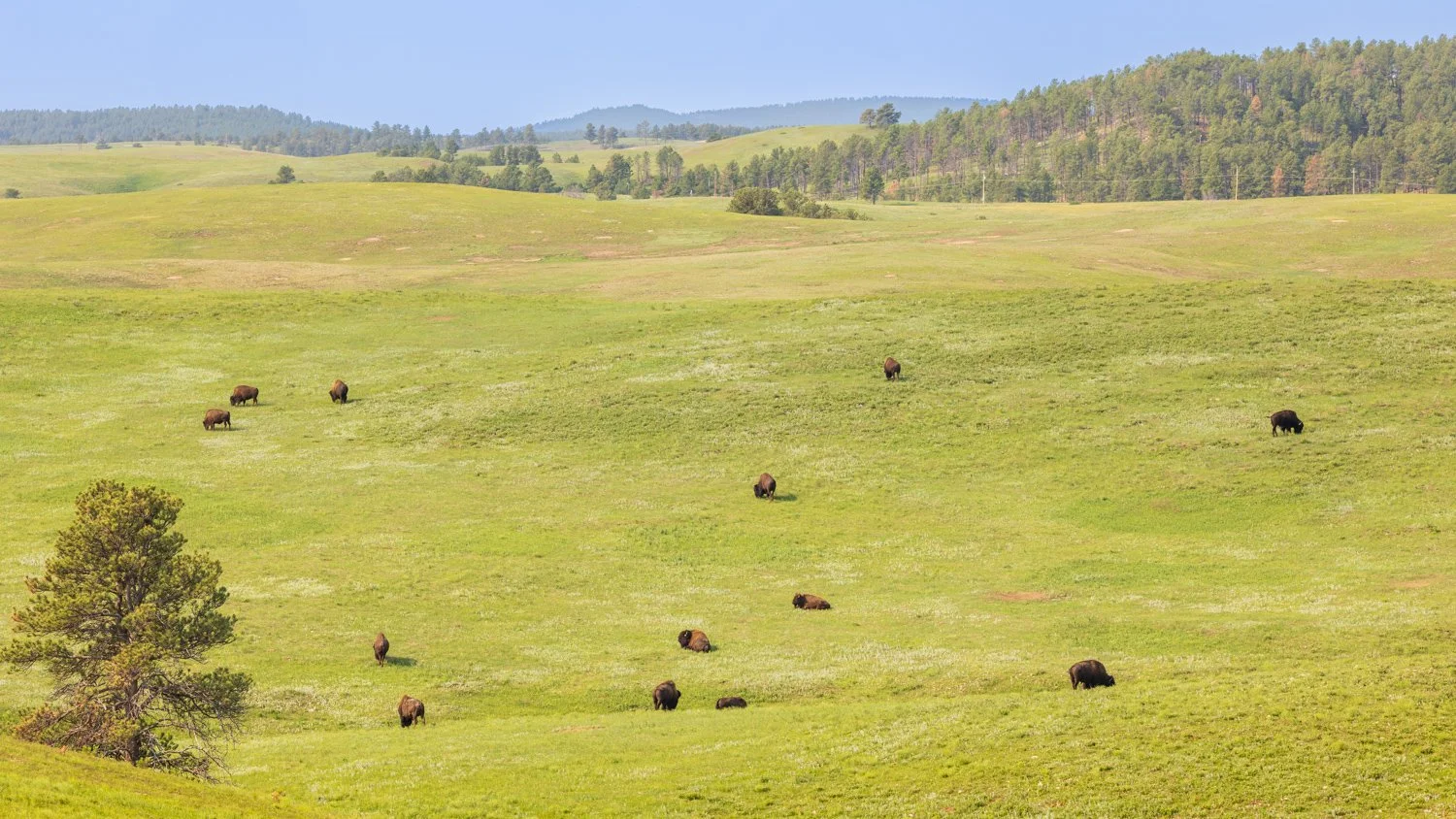
Bison, Wind Cave National Park, South Dakota
People lived below in the spirit lodge while the Creator Takuskanskan worked at getting the earth ready for them. Tricksters above ground convinced some people to leave the spirit lodge and go above to the earth. When winter came, they began to freeze and starve, and they returned to the opening asking the Creator to let them return. Takuskanskan was angry at the disobedience and punished them by turning them into great, wild beasts who could survive winters.
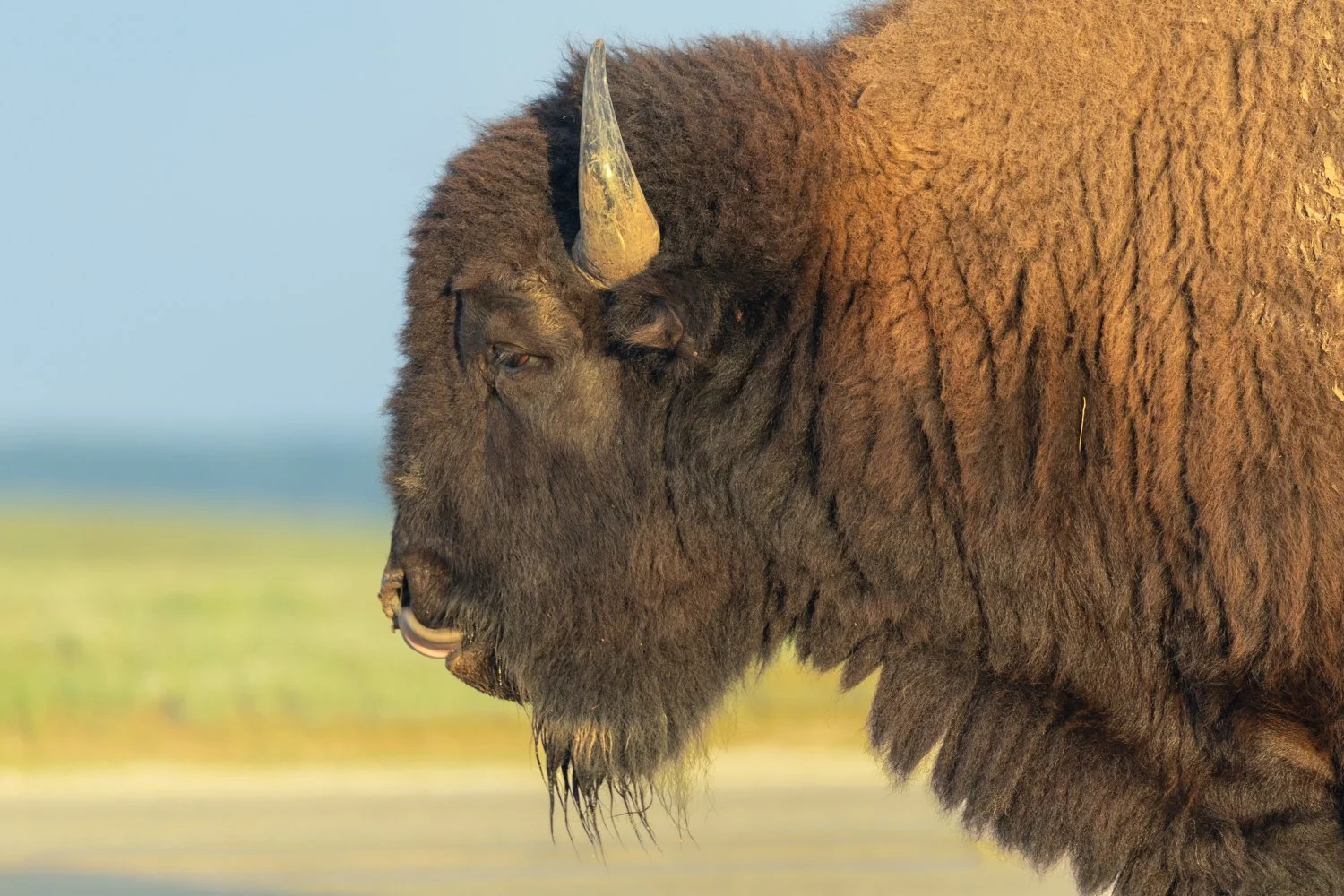
Bison, buffalo, tatanka
When the earth was ready for people to live on it, they were led through the passageway of Wind Cave. When they saw bison hoof prints, the Creator instructed them to follow the bison from whom they could get food, tools, clothes and shelter. The tatanka would lead them to water. Everything they needed to survive could come from the bison.
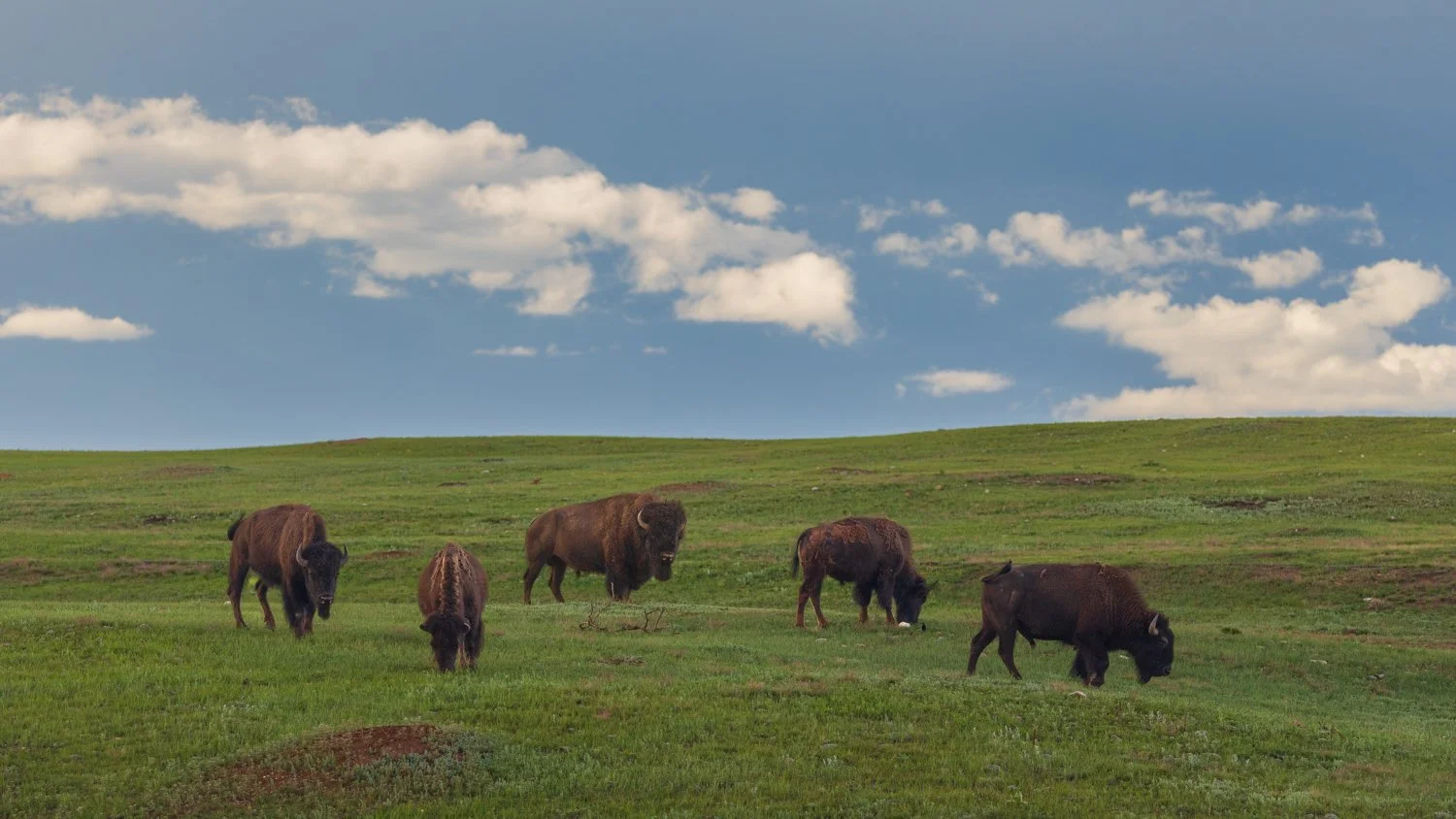
In 1800, an estimated 40 million bison lived in North American. By the end of the century less than a thousand remained. A few conservationists saved the few, and helped protect and restore land for them.
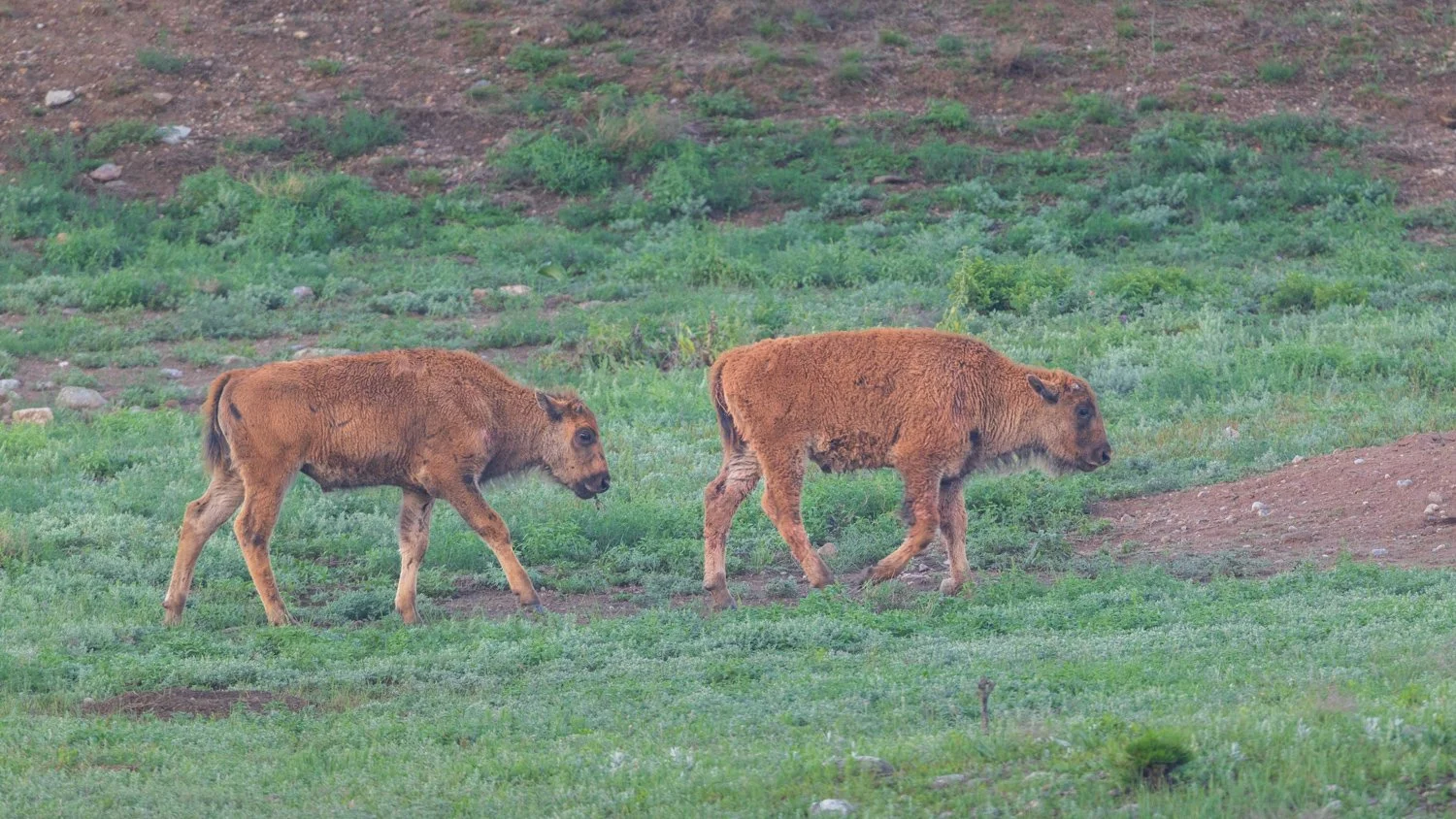
The largest population was in Yellowstone, created as the first National Park in 1872. After miners disputed the ownership of Wind Cave which had become valuable not for mining, but for tourism, the Department of Interior said the miners had no valid claim on the land since there were no valuable minerals. In 1903 President Theodore Roosevelt signed legislation to create the eighth National Park. Fortunately, the legislation protected nearly 34,000 acres of beautiful, rolling land above the cave.
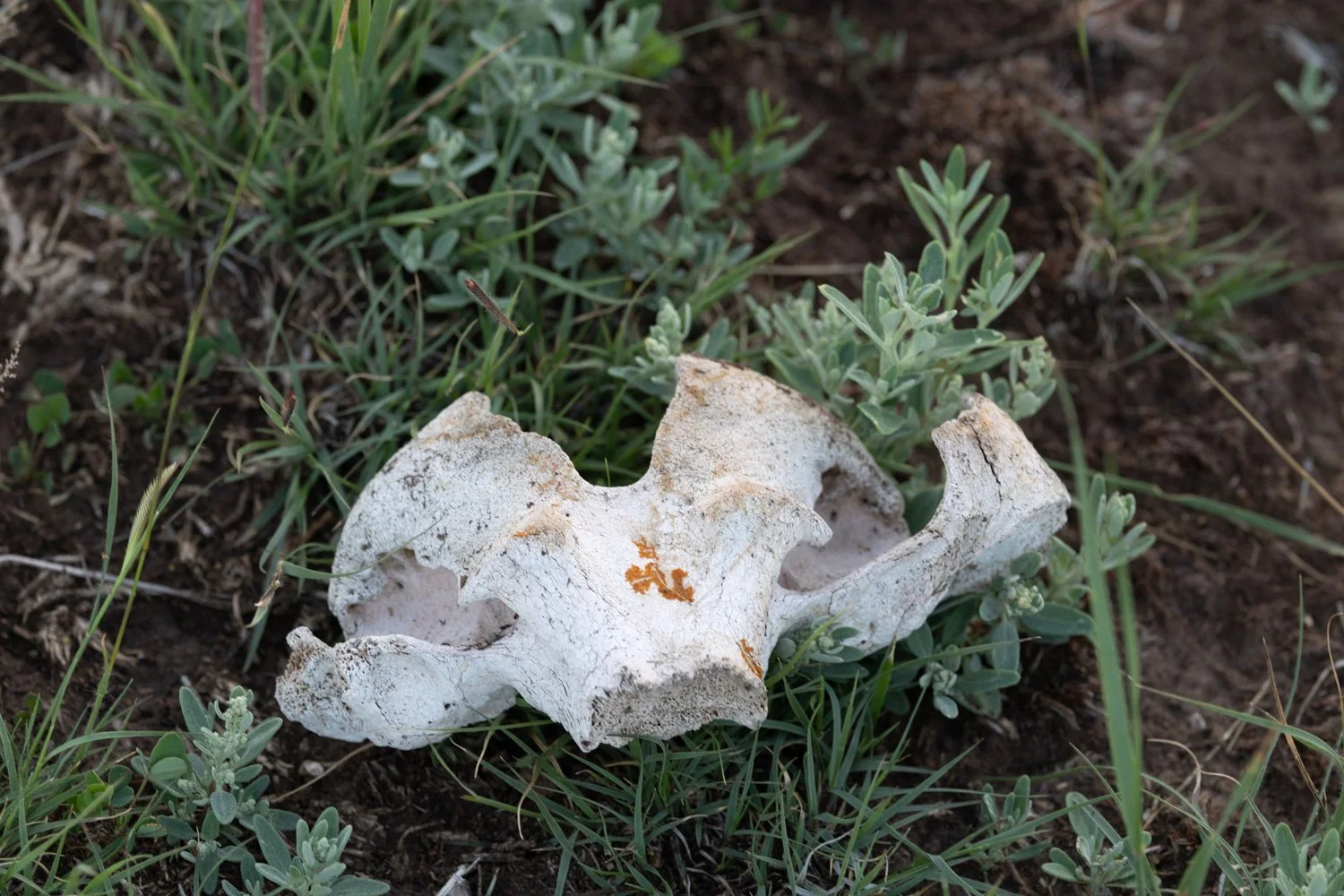
Bison vertebrae
Bison had been removed from the land, but in 1913, the American Bison Society sent 14 pure blood bison from the Bronx Zoo to the Park, and in 1916 sent six more from Yellowstone. The ones in the park today are decedents.
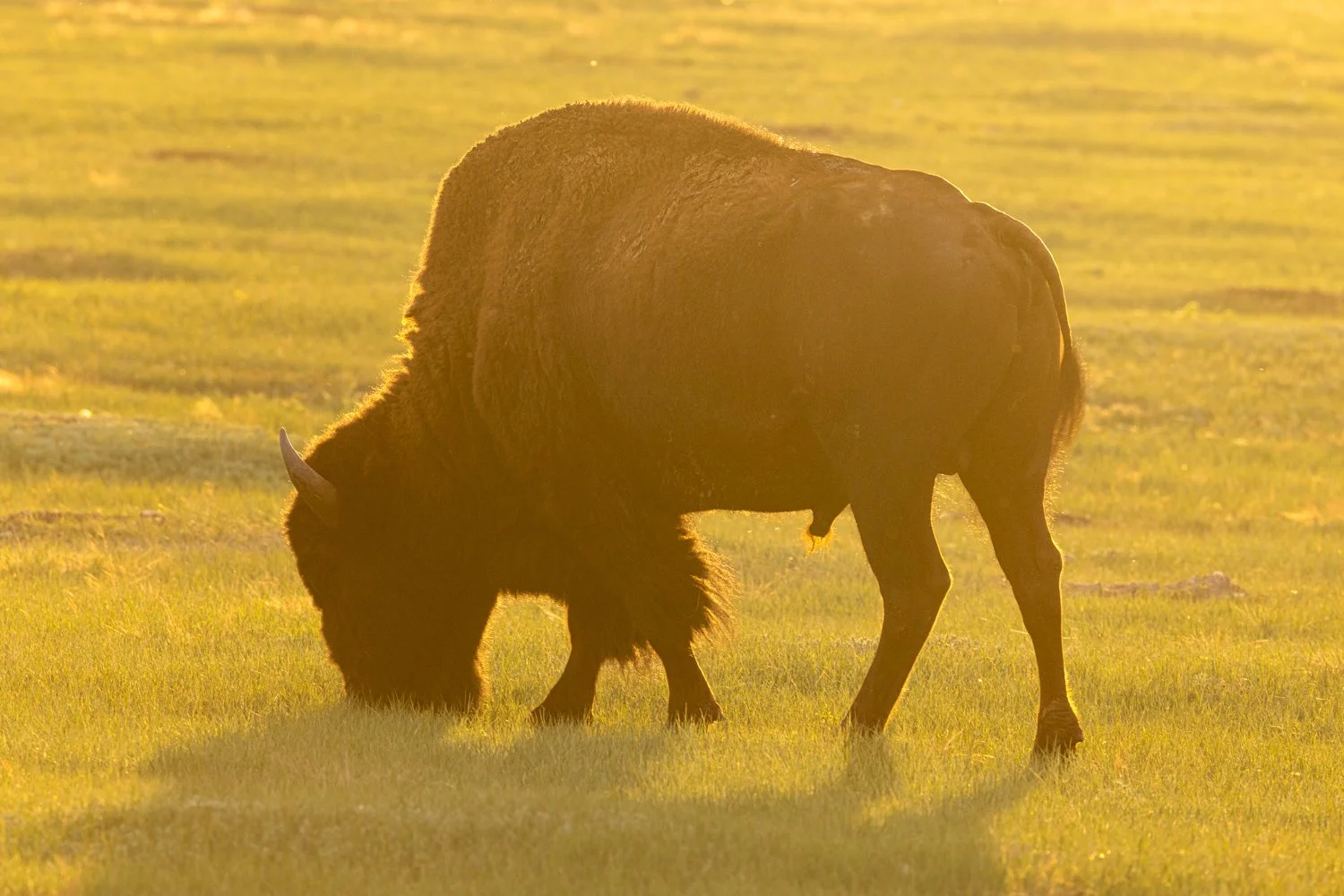
The Park herds are kept at about 350 to 500 animals. In most years, extra animals are able to be herded and sent to Native American lands or other park lands in the country.
The images are from some we saw on drives and hikes through the Park last month.
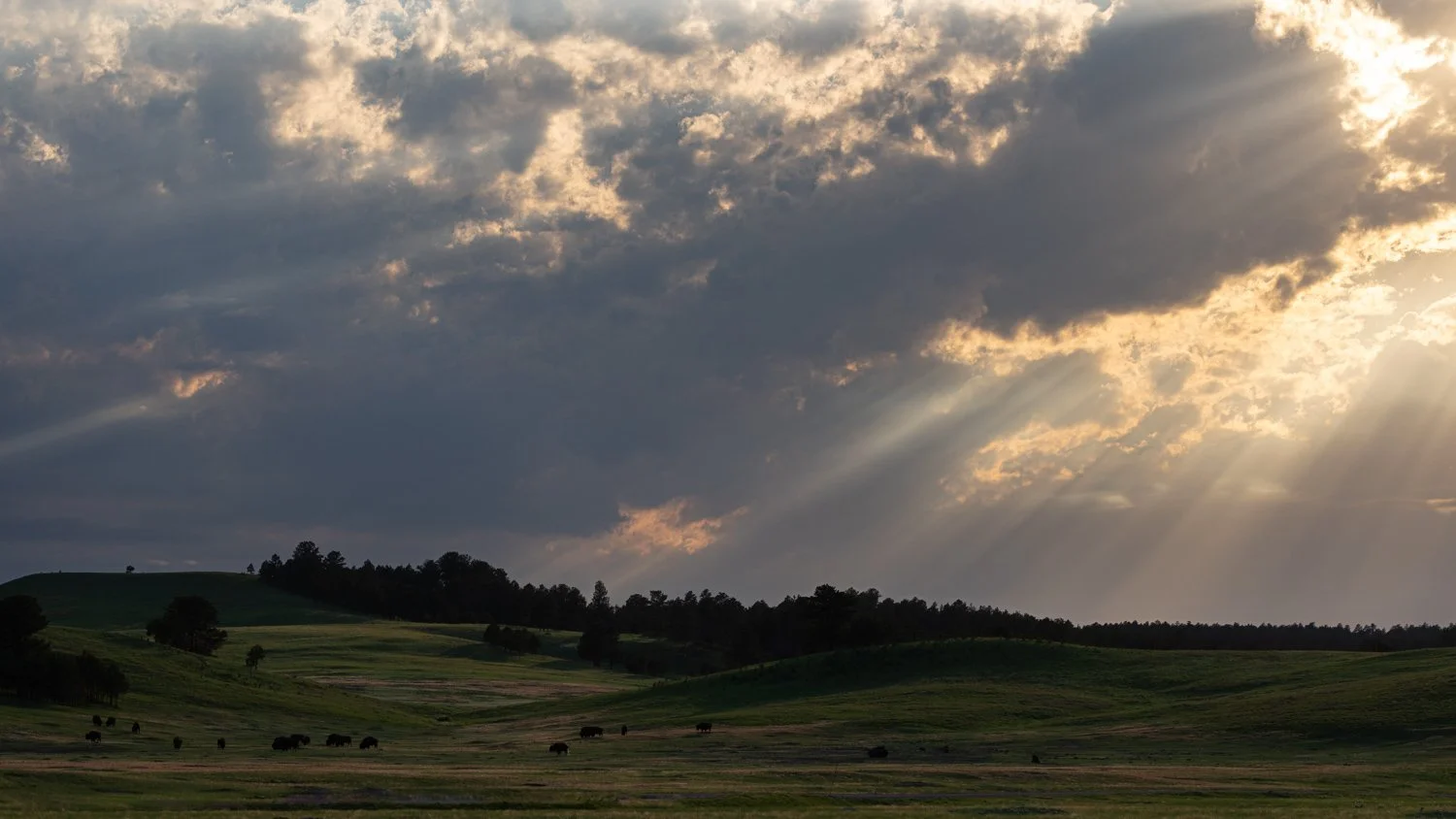
Sunset, Wind Cave National Park